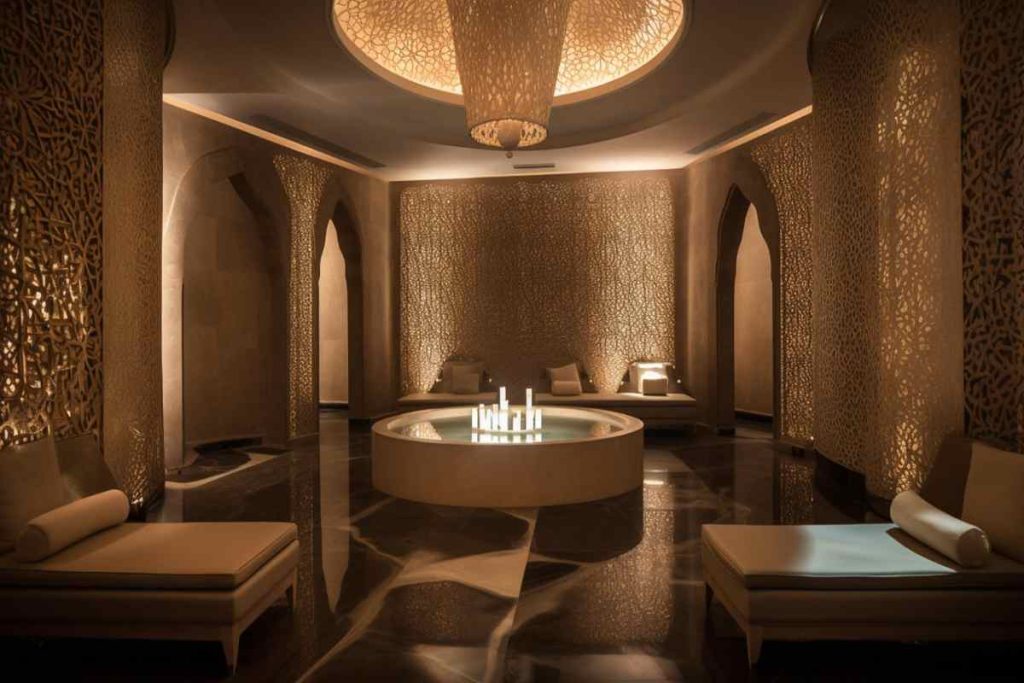
The Turkish hammam ritual is a soulful welcome to relaxation, mindfulness, and social connection. Within the steam-soaked environment of the hammam steam room, heat and humidity soften the skin as warming rituals prepare the body for cleansing. From Turkish hammam steps to the signature Turkish bath foam, the experience relies on the balance of foam and exfoliating scrubs to refresh the skin. The ritual balances body and spirit, offering a pathway to renewal that travellers and locals alike have treasured for centuries. Whether you visit a historic bathhouse in Istanbul or recreate the routine at home, the core sequence: steam, foam, and scrub, followed by a gentle rinse and oil, remains timeless.
This ancient Turkish bath tradition, often called a hammam or bathhouse ritual, unfolds in a sequence of heat, lather, exfoliation, and renewal. The steam room experience at the heart of Turkish steam bathing is a cultural ceremony that emphasizes hospitality, cleansing, and mindful touch. From Ottoman bathhouse practice to modern spa rituals, related terms like steam bathing, exfoliating rituals, and body care echo the same aim of softening skin and calming the mind. Across settings, the focus remains on heat, foamy lather, and a careful scrub to reveal smoother skin and a sense of refreshed well-being.
The Core Elements of Turkish Hammam Steps: Steam, Foam, and Exfoliation
The Turkish hammam steps unfold as a deliberate choreography of heat, foam, and texture. In the steam-filled chamber, heat and humidity soften the skin and relax the senses, making the cleansing journey more effective and pleasurable. The ritual relies on core elements that travelers and locals have treasured for centuries: enveloping steam, nourishing foam, and a purposeful scrub that reveals brighter skin beneath the surface.
As you follow these steps, the experience becomes tactile and progressive: the steam loosens the body, the foam cushions the skin, and the body scrub hammam begins to work. Using a kese exfoliating mitt, strokes move from shoulders toward the heart and then outward to the limbs, finishing with a rinse and a light oil that locks in moisture. Exfoliating scrubs help mobilize skin renewal, leaving skin smoother and more receptive to hydration.
Turkish Hammam Ritual: Mindful Etiquette, Attendants, and Cultural Significance
This subheading highlights etiquette and social rhythm. In traditional settings, attendants (natır or tellak) guide you through foam and scrub, ensuring safety and comfort while maintaining the room’s pace and respect for others. The Turkish hammam ritual is as much a cultural ceremony as a cleansing practice, inviting mindful presence and shared ritual meaning.
Beyond personal cleansing, the ritual embodies hospitality, cleanliness, and communal connection. Modern spa versions preserve the sequence—steam, foam, scrub, rinse, and nourish—while offering variations that suit solo or couples experiences. Engaging with etiquette and tradition enhances relaxation, enhances skin health, and honors a longstanding cultural heritage.
Hammam Steam Room Experience: Heat, Humidity, and Muscle Relaxation
The hammam steam room delivers a sensory immersion where heat and humidity coax muscles to loosen and pores to open. This stage primes the body for the cleansing sequence, reducing tension and increasing the efficacy of subsequent cleansing products. The enveloping warmth also supports gentle sweating, which can help soften rough patches and prepare the skin for exfoliation.
For home practice, you can recreate a similar effect with a warm shower or a steam sauna, staying mindful of hydration. Slow breathing and a gradual increase in exposure time help acclimate the body, turn down the sense of overwhelm, and set the stage for a more comfortable foam and scrub experience.
Foam and Massage: Creating Cushioned Cleansing with Turkish Bath Foam
Foam acts as a cushioned medium that lubricates the skin and facilitates safe, thorough cleansing. In traditional settings, attendants build a rich lather using olive oil soap or a scented soap, massaging in circular motions to stimulate circulation and ready the skin for exfoliation. The soft, generous foam—often referred to as turkish bath foam—forms a protective cushion that enhances both comfort and cleanliness.
In home practice, opt for a high-quality foaming cleanser and perform gentle circular strokes on the arms, torso, and legs. The foam massage not only relaxes muscles but also primes the skin for exfoliating scrubs, creating a smoother, more even texture before the next stage of the ritual.
Exfoliation with Kese: Techniques, Pressure, and Body Scrub Hammam
Exfoliation is at the heart of the Turkish hammam ritual. The kese mitt or glove is used to scrub away dead skin cells, revealing brighter, smoother skin underneath. The technique should be firm but not painful; the pressure is meant to invigorate, not injure. Typical scrubbing follows a pattern from shoulders toward the heart, then down the arms and legs, with extra attention to elbows, knees, and heels.
After thorough exfoliation, many practitioners apply a light oil to help bring moisture to the surface and prepare the skin for rinsing. This stage often pairs well with a targeted use of exfoliating scrubs, supporting a renewed skin tone and improved texture while maintaining comfort and safety.
Rinse, Nourish, and Aftercare: Oils, Moisturizers, and Skin Health Benefits
Rinsing is the essential capstone of exfoliation, washing away foam and dead skin cells with warm water. In traditional settings, attendants may use a cloth or bucket to help rinse, leaving skin clean, refreshed, and ready to receive nourishment. A thin layer of olive oil or a lightweight moisturizer seals moisture, adds a delicate scent, and reinforces the skin’s barrier after the cleansing sequence.
Ongoing aftercare supports skin health and overall well-being. Hydration before and after sessions, gentle post-rinse moisturization, and a regular rhythm of exfoliating scrubs (as tolerated) can sustain softness and glow. Whether part of a spa visit or a home routine, this rinse-to-nourish pattern helps maintain the benefits of the Turkish hammam ritual over time.
Frequently Asked Questions
What role does the hammam steam room play in the Turkish hammam ritual, and how does heat acclimation affect the skin?
The hammam steam room heats the body, softens the skin, and opens pores, preparing you for the subsequent foam and scrub. In the Turkish hammam ritual, acclimating to heat helps relax muscles, improves circulation, and makes exfoliation more effective. For home practice, start with shorter sessions and stay hydrated.
How is turkish bath foam used during the cleansing stage of the Turkish hammam ritual, and why is foam important?
Turkish bath foam provides a protective cushion and lubrication for the scrub, allowing smooth, even cleansing. In traditional settings, attendants build a rich lather with olive oil soap or scented soap and massage the skin in circular motions, boosting circulation. At home, use a foaming soap and apply generous foam with gentle strokes.
What is kese and how does the body scrub hammam fit into the exfoliation stage of the Turkish hammam ritual?
Kese is the exfoliating mitt used for body scrub hammam to scrub away dead skin with firm but comfortable pressure. The exfoliation typically starts at the shoulders, moves toward the heart, then down the arms and legs, with extra attention to elbows, knees, and heels. Afterward, the skin may flush slightly, which is normal as circulation increases.
During the rinse and oil stage of the Turkish hammam ritual, how does the body scrub hammam contribute to moisture and skin softness after cleansing?
Rinsing removes foam and dead skin cells, then a thin layer of olive oil or moisturizer is applied to seal in moisture. The oil helps lock in hydration and leaves the skin supple and lightly scented. This stage completes the ritual by nourishing the skin after exfoliation.
What etiquette and safety considerations should you follow in a hammam steam room or Turkish hammam ritual setting, especially when using exfoliating scrubs?
Hydrate before and after the session, communicate your comfort level to the attendant, and use gentle pressure during exfoliation to avoid irritation. In shared spaces, be mindful of others, keep voices quiet, and avoid strong fragrances. If you have health concerns, proceed at a slower pace and consult staff about heat tolerance and safety.
What are the key health and well-being benefits of the Turkish hammam ritual, particularly from exfoliating scrubs and the steam-foam-scrub sequence?
The ritual promotes relaxation, reduces muscle tension, and can improve skin texture through exfoliating scrubs. The steam and humidity help relax the body and open pores, while foam cleansing and scrubbing stimulate circulation and leave skin refreshed. Many people also report a sense of mindfulness and cultural appreciation that enhances overall well-being.
| Aspect | Key Points |
|---|---|
| Purpose | Cleansing, relaxation, mindfulness, and social ritual; heat and humidity soften skin; foam cushions the scrub; oil nourishes skin afterward; emphasizes balance between body and spirit. |
| Core stages (steam to foam to scrub) | Sequential process: steam room to heat, foam bath to cleanse, kese scrub to exfoliate, rinse, then oil/moisturizer; attendants may assist in traditional hammams. |
| Core tools | Kese exfoliating mitt; olive oil soap or fragranced soaps; soap foam; warm water; final oil or moisturizer. |
| Benefits | Open pores, improved circulation, softened skin, enhanced skin texture; promotes relaxation, mindfulness, and social connection; culture-focused hospitality. |
| Etiquette and safety | Respect pace and privacy; attendants guide; hydrate; avoid excessive heat for health conditions; gentle pressure during exfoliation; maintain clean skin in shared spaces. |
| Home practice | Warm shower or steam, apply foam, use kese mitt, perform gentle circular scrubs, rinse, apply light oil; stay hydrated; adapt timing to comfort. |
| Origins and philosophy | Rooted in Mediterranean and Middle Eastern traditions; communal cleansing and sensory immersion; emphasizes ritual mindfulness and social dimension; variations exist across regions and spas. |
| Variations and options | Solo practice, couples or small groups; optional warm bath, additional scrub pass; aromatherapy or massages; etiquette remains important in shared spaces. |
Summary
Turkish hammam ritual is more than cleansing; it is a ceremonial journey from steam to foam to scrub that nurtures body, mind, and spirit. Across historic bathhouses and modern spas, steam softens the skin, foam cushions the scrub, and the kese exfoliates to reveal brighter skin. The ritual emphasizes rhythm, mindfulness, and social etiquette—respecting pace, maintaining cleanliness, and honoring tradition. Whether you experience it in Istanbul or recreate it at home, the core steps—steam, foam, scrub, rinse, and oil—offer a timeless practice that supports relaxation, skin health, and a sense of connection to culture.