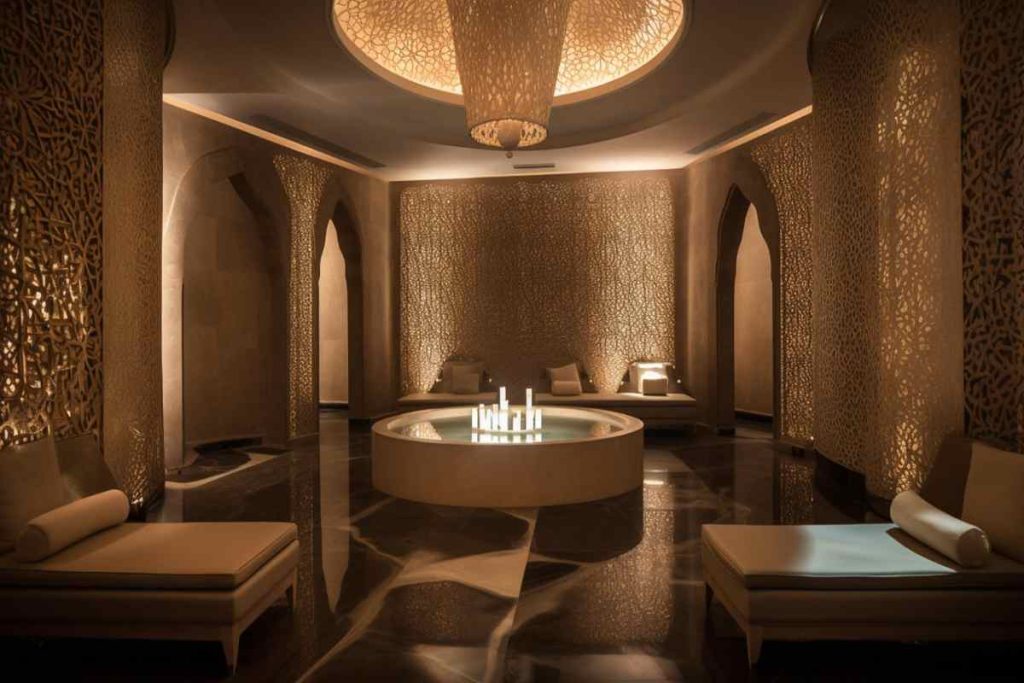
Turkish Baths Hydration offers more than steam and ritual; it invites readers to see how humidity, fluids, and heat interact to shape comfort and performance. By examining Turkish baths hydration benefits, we can understand how staying hydrated around a hammam supports blood volume, skin moisture, and overall well-being. The warmth and humidity influence Turkish baths circulation by promoting vasodilation and steady blood flow, tying hydration to how the body regulates temperature. As you move through the ritual—steam, scrubs, and cool-down—you may perceive a cleansing sense that aligns with the idea of turkish bath detox effects, though real detox relies on liver and kidneys. This introductory overview sets the stage for practical tips on safe hydration, pacing, and post-session care to optimize the experience.
Reframing the concept as a hammam steam ritual shifts focus to fluid balance, skin hydration, and a measured circulatory response in a humid spa setting. This alternative terminology aligns with Latent Semantic Indexing by connecting ideas like steam therapy, moisture management, vascular regulation, and cleansing rituals to broader wellness themes. When you think in terms of hydration and circulation Turkish bath dynamics, along with a cooling finish, the experience becomes a balanced routine rather than a miracle cure. In short, the hammam combines tradition with physiology to offer mood, skin comfort, and relaxation benefits that fit into a practical wellness plan.
Turkish Baths Hydration: Understanding Hydration in Humid Hammams
In humid hammams, fluid balance operates differently than in dry-heat environments. Evaporative water loss from the skin is reduced, so you may still sweat without the same rapid drying sensation. This makes deliberate hydration planning essential for Turkish Baths Hydration, ensuring you preserve plasma volume and skin moisture as the body redistributes fluids to support cooling. The humid heat can feel inviting, but it also foregrounds the need to hydrate before, during, and after the session to maintain comfort and safety.
To maximize hydration in this context, think of water- and electrolyte-containing beverages as a steady companion rather than a last-minute fix. Short, staged sessions—beginning around 10–15 minutes and gradually extending—help you monitor thirst, dizziness, and performance. By pairing hydration with the unique conditions of the hammam, you can support hydration and circulation Turkish bath through each phase of the ritual, promoting a balanced experience that respects the body’s fluid needs.
Turkish Baths Circulation in Humid Heat: What Changes and Why They Matter
Heat exposure triggers a well-documented vascular response: the skin’s blood vessels dilate to shed heat, increasing cutaneous blood flow and often raising heart rate. In a Turkish bath, this peripheral vasodilation can temporarily alter systemic vascular resistance, shifting how blood perfuses organs and tissues. Understanding Turkish baths circulation in this humid context helps set realistic expectations for warmth, comfort, and recovery after the session.
Many participants report a gentle warmth that seems to move through limbs and the torso, with a sense of renewed circulation after cooling. For those physically able and without cardiovascular contraindications, the hammam can temporarily boost venous return in the legs. The key is listening to your body, taking breaks when needed, and recognizing that the circulation changes are part of a broader relaxation and recovery process rather than a guaranteed miracle.
Detox Realities in Turkish Baths: Turkish Bath Detox Effects and Myth-Busting
Detox is a popular wellness claim, but science points to the liver, kidneys, and gut as the primary detox organs. In the context of a hammam, sweating may contribute to a mild, transient excretion of some substances, yet it should not be viewed as a standalone detox cure. Turkish bath detox effects align more with a refreshed sensation and mood improvement than a definitive toxin purging protocol.
The ritual and heat can promote a feeling of cleansing—skin hydration improves, and there’s a perceptual sense of renewal. Framed this way, the detox concept becomes about metabolic tempo, skin comfort, and a rejuvenated sense of well-being rather than a dramatic elimination of toxins. This realistic framing helps set appropriate expectations for what the experience can realistically offer.
Skin, Steam, and Hydration: The Unique Benefits of the Turkish Steam Bath
The humid steam of a Turkish bath has a direct relationship with skin hydration and barrier function. Steam helps maintain moisture on the skin, especially when followed by a cooling rinse that assists in sealing in hydration. This aspect ties into turkish steam bath health, emphasizing how steam and humidity can support surface moisture and a comfortable post-session feel.
Beyond skin physiolo gy, the steam environment also contributes to flow and relaxation. The heat-driven circulation can loosen stiff muscles and reduce perceived tension, contributing to a satisfying sense of renewal. When you combine pre- and post-session hydration with the steam process, you bring together hydration and circulation Turkish bath benefits into a cohesive, restorative experience.
Safety, Hydration Planning, and Session Design for Safe Hammam Visits
Safety considerations come first. People with heart disease, uncontrolled high blood pressure, recent surgeries, or pregnancy should seek medical advice before extended heat exposure. Those who are heat-sensitive, have fluid restrictions, or take medications affecting hydration or blood pressure should approach hammams with caution. A thoughtful hydration plan and awareness of one’s own health status help ensure a safe experience.
Practical guidelines include starting with shorter sessions (about 10–15 minutes), listening to body cues, and hydrating before and after the session. Maintain awareness of microclimate—humid heat can intensify discomfort—and opt for cool rinses to seal moisture. This approach supports overall Turkish baths hydration with mindful pacing and appropriate post-session rehydration.
Integrating Turkish Baths into a Holistic Wellness Routine: Practical Takeaways
Viewed as part of a broader wellness routine, the hammam experience can complement hydration, circulation, and a balanced approach to detox in a pragmatic way. The science supports a link between humid heat, skin moisture, and improved perceived relaxation, without promising dramatic toxin clearance. Framing the experience through hydration and circulation Turkish bath concepts helps set achievable wellness goals.
To incorporate hammams into a routine, pair sessions with gentle movement, skin-care rituals, and post-session recovery. Consider light stretching, hydration afterward, and a balanced meal to sustain the benefits. When balanced with proper hydration and rest, Turkish baths can contribute to improved circulation, a refreshed mood, and a sustainable, health-focused addition to a holistic wellness plan.
Frequently Asked Questions
What are the Turkish baths hydration benefits?
Turkish baths hydration benefits include preserving plasma volume and supporting skin hydration during the hammam’s humid heat. Proper hydration before, during, and after helps maintain blood pressure as heat moves blood to the skin to cool the body and supports skin barrier function.
How does Turkish baths hydration affect circulation in humid heat?
In humid heat, Turkish baths hydration supports circulation by promoting vasodilation and increased skin blood flow, contributing to a warm, settled feeling after heat exposure. Expect a temporary rise in heart rate as the body redistributes blood for cooling; stay hydrated and monitor how you feel.
What are Turkish bath detox effects, and what does science say?
Turkish bath detox effects are not a miracle detox—major detox pathways are the liver, kidneys, and gut. Sweating may modestly excrete some substances and create a sense of cleansing, but it should complement, not replace, balanced hydration and medical care.
What is the health impact of hydration on turkish steam bath health?
Hydration supports plasma volume and skin moisture in turkish steam bath health, improving comfort and safety in humid steam. Pair the session with a cool rinse afterward to seal moisture and protect the skin barrier.
How can I optimize hydration and circulation in a Turkish bath experience?
To optimize hydration and circulation Turkish bath, drink water or an electrolyte beverage before and after the session, start with shorter visits (10–15 minutes) and gradually extend as you feel comfortable, and pause to cool down if you feel overheated or dizzy.
What safety considerations apply to Turkish baths hydration and detox?
Safety considerations include consulting a clinician if you have heart disease, uncontrolled high blood pressure, recent surgery, pregnancy, or heat sensitivity. Prioritize hydration, use cooling breaks, and listen to your body; stop if you feel unwell.
| Key Point | What It Means | Practical Takeaways |
|---|---|---|
| Hydration in humid heat | Humidity reduces evaporative water loss; hydration needs remain dynamic; fluids help sustain plasma volume and skin function. | – Hydrate before, during, and after; sip water or electrolyte beverages; tailor intake to session length and heat exposure. |
| Circulation changes in heat | Heat causes vasodilation and a rise in heart rate; more blood to skin aids cooling and may affect tissue oxygen delivery. | – Start with shorter sessions; monitor how you feel; rest as needed; avoid prolonged exposure if dizzy or faint. |
| Detox concept in hammams | Sweating expels some substances but major detox pathways rely on liver/kidneys; detox claims are not standalone cures. | – View detox benefits as refreshment and mood support; don’t rely on hammams for toxin elimination; maintain balanced lifestyle. |
| Integrated benefits of humid steam | Hydration, circulation, and detox concepts blend during a hammam experience, with skin hydration and post-session relaxation. | – Follow with a cool rinse; hydrate after; appreciate the holistic feel of renewal rather than seeking detox miracles. |
| Practical guidelines for safe Turkish baths hydration | Guidelines cover hydration timing, session duration, temperature awareness, skin care, microclimate choices, and medical cautions. | – Plan hydration, pace sessions, choose comfortable humidity, and consult a clinician if you have cardiovascular, pregnancy, or respiratory concerns. |
| Myths vs science | Sweat-related toxin purification is limited; benefits come from multiple factors like humidity, heat, cleansing rituals, and relaxation. | – Separate myth from fact: hydration and relaxation matter; approach hammams as a holistic wellness activity, not a detox solution. |
| Safety considerations | People with heart disease, uncontrolled hypertension, recent surgery, pregnancy, or heat sensitivity should exercise caution. | – Seek medical advice for at-risk groups; listen to your body; prioritize hydration and cooling breaks. |
Summary
This table summarizes the core ideas from the base content about Turkish baths hydration, including how humidity affects fluid balance, how heat reshapes circulation, the realistic view of detox, and practical safety guidelines for maximizing benefits.