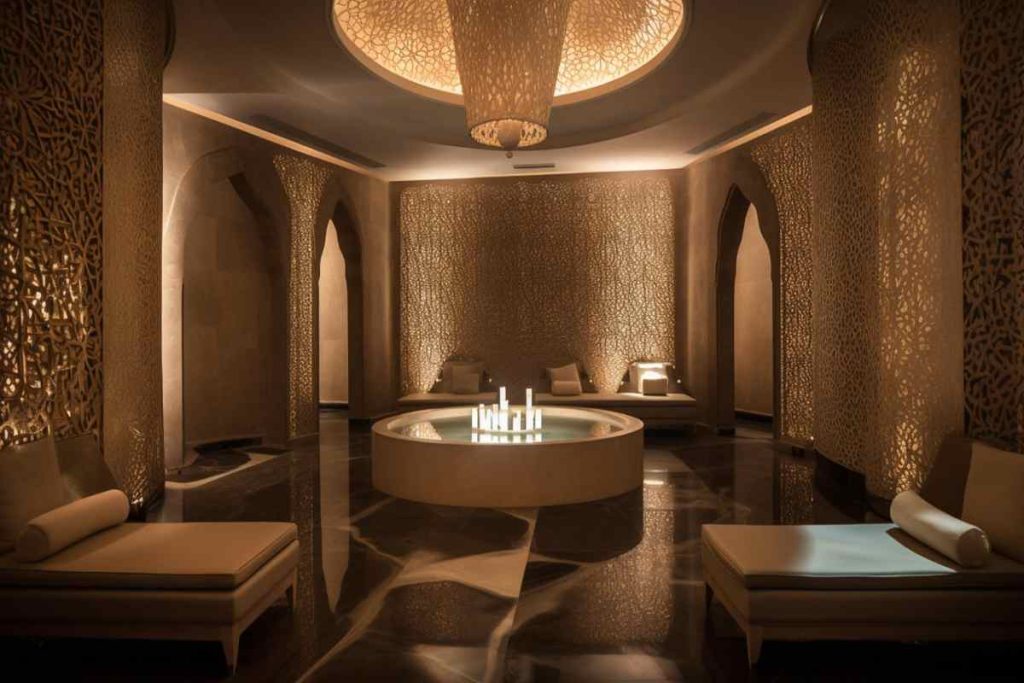
Turkish Hammam invites you into a centuries-old ritual where heat, steam, and marble set the stage for cleansing and renewal. For travelers and spa lovers, understanding hammam vs Turkish bath helps clarify what this experience truly means. In practice, the experience often includes a sequence of rooms, a kese scrub, a foam wash, and sometimes a relaxing massage. If you’re planning a visit, knowing the difference between hammam and Turkish bath can set expectations for Turkish bath etiquette, ambiance, and duration. This guide highlights the Turkish steam bath traditions, common etiquette, and practical tips to enjoy the ritual with confidence.
In broader terms, this tradition sits at the crossroads of culture, wellness, and ritual. Using Latent Semantic Indexing (LSI) principles, writers describe the same idea with related terms such as the bathhouse ritual, Ottoman steam ceremony, and Anatolian spa culture. These alternatives help readers and search engines connect concepts like the Turkish steam bath, traditional hammam, and modern spa experiences. Whether you encounter a historic hammam or a contemporary Turkish bath at a hotel, the core elements remain heat, cleansing, and a sense of ceremony. Even if you call it a Turkish Hammam, the experience still conveys timeless warmth, social traditions, and rejuvenation.
Hammam vs Turkish Bath: Decoding the Core Difference
When people compare hammam vs Turkish bath, they are often referring to two facets of the same cultural practice: a traditional bathhouse experience versus the ritual that unfolds within it. The difference between hammam and Turkish bath is rooted in history and in how the experience is framed, shaping expectations about space, procedure, and social atmosphere.
In practice, the hammam is the cultural format that houses a ceremonial cleansing, while the Turkish bath can describe the broader bathing experience, from steam-filled rituals to modern spa interpretations. Understanding this distinction helps travelers anticipate the thermal progression, the cleansing steps, and the communal or private dynamics that define a true Turkish experience.
Turkish Hammam: The Ritual, Rooms, and Attendants
A Turkish Hammam unfolds across a staged journey through warm and hot spaces, culminating in a cleansing ritual that often includes a kese exfoliation, foam wash, and a massage. The layout—marble slabs, heated marble rooms, and flowing water—creates a sensory setting where heat and humidity prepare the body for cleansing and renewal.
An attendant guides the ritual, performing cleansing steps and sometimes a traditional scrub or foam massage. This professional presence, paired with the atmospheric lighting and the subtle scent of oils, emphasizes the cultural ceremony as much as the physical benefit of cleansing and muscle relaxation.
Turkish Steam Bath: From Traditional Hammam to Modern Spa
The Turkish steam bath concept centers on the steam-rich environment that defines Turkish bathing culture. In a traditional hammam, steam, heat, and humidity are part of a ceremonial path; in a modern spa, the same principle is offered in a more private or room-based setting.
Today’s Turkish steam bath experiences may feature climate-controlled rooms, private treatment areas, and optional aromatherapy, blending antiseptic tradition with contemporary comfort. While the form may change, the core goal remains: relaxation, skin nourishment, and improved circulation through steady heat and moisture.
Turkish Bath Etiquette: Do’s, Don’ts, and Respectful Practice
Following Turkish bath etiquette helps you participate respectfully and get the most from the experience. Practical tips include wearing a pestemal or swimsuit, keeping electronics out, speaking softly, and listening to the attendant’s guidance during cleansing and massage.
Etiquette often reflects local customs, including gender-specific hours in traditional hammams and tipping practices for attendants. Being mindful of pace, privacy, and shared space ensures a dignified experience for everyone and preserves the ritual’s cultural integrity.
Choosing Between a Traditional Hammam and a Modern Turkish Bath
Choosing between a traditional hammam and a modern Turkish bath comes down to your goals. If you seek cultural immersion and the complete ritual arc, opt for an authentic hammam with a long local history. If you prefer a spa-like atmosphere with private rooms and a focus on relaxation and skincare, a modern Turkish bath in a hotel or wellness center may be ideal.
Consider the level of social interaction, the intensity of the cleansing ritual, and the availability of traditional elements like the kese and foam massage. Reading reviews and asking about the service sequence can help you align the experience with your expectations of hammock vs Turkish bath traditions.
Plan Your Visit: What to Bring, What to Expect, and Practical Prep
Preparing for a Turkish steam bath involves practical planning. Bring essentials such as a towel, a pestemal, a change of clothes, and any personal skincare products you enjoy. Check whether the facility provides robes, sandals, or separate changing areas, and confirm appointment or gender-specific policies if relevant.
What to expect includes a temperature progression through warm to hot rooms, a potential kese scrub, and a foam wash or massage. If you want the full traditional ritual, request the kese and the classic foam wash; if privacy is important, seek out a modern Turkish bath with private treatment rooms and personalized options.
Frequently Asked Questions
What is the difference between hammam vs Turkish bath, and how does a Turkish Hammam fit into that comparison?
The hammam is the traditional bathhouse and ritual, while a Turkish bath can refer to the broader steam-bath experience or a modern spa. A Turkish Hammam is the cultural format that houses the ritual, typically with a sequence of warm-hot rooms, a kese scrub, foam wash, and optional massage. Expect steam, warmth, cleansing, and a ceremonial atmosphere that emphasizes tradition.
What is the difference between hammam and Turkish bath when planning a visit to a traditional Turkish Hammam?
When planning a visit, decide whether you want the authentic ritual of a traditional hammam or a more spa-like Turkish bath. Look for a traditional hammam offering a kese scrub and attendant service, and note gender-segregated hours in older venues. Modern Turkish baths may offer shorter sessions, private rooms, and a quieter, hotel-style ambiance, often with skincare-focused treatments.
What Turkish bath etiquette should I follow when visiting a Turkish Hammam to ensure a respectful experience?
Turkish bath etiquette includes wearing a pestemal or swimsuit, speaking softly, and following the attendant’s guidance. Respect gender-specific hours where they apply, and tip for the masseur or scrub technician as appropriate. Bring a towel, and be mindful of pacing and privacy during the cleansing and massage steps.
How does the Turkish steam bath concept relate to a traditional Turkish Hammam, and what is unique about a Turkish Hammam ritual?
The Turkish steam bath is a core element of many hammams, but a traditional Turkish Hammam emphasizes a guided ritual across progressively warmer rooms. The unique aspects are the kese scrub, foaming wash, and the attendant-led massage performed in a marble environment with warm, scented air.
What is the difference between hammam and Turkish bath, and how does this relate to a modern Turkish bath experience?
The difference between hammam and Turkish bath is largely about ritual depth versus a general concept. A traditional hammam follows a full ritual with kese, foam, and massage, while a modern Turkish bath focuses on steam, relaxation, and skincare, often in a spa setting. Still, both share heat, steam, cleansing, and a sense of rejuvenation.
What should travelers know about Turkish bath etiquette and how it appears in a public Turkish Hammam versus a private Turkish steam bath setting?
Whether you’re in a public Turkish Hammam or a private Turkish steam bath, Turkish bath etiquette guides your behavior, modesty, and tipping. Public hammams often have gender-specific areas and stricter social norms, while private steam baths offer more privacy and flexibility. Always follow staff instructions and show respect for local customs.
| Topic | Key Points |
|---|---|
| What is a Turkish Hammam? |
|
| Hammam vs Turkish Bath |
|
| The Rituals, Etiquette, and What to Expect |
|
| Design, Services, and Pricing |
|
| Preparation |
|
| Choosing Between Traditional and Modern Experiences |
|
Summary
Turkish Hammam is a cultural ritual housed within a traditional bathhouse, where heat, steam, and ritual cleansing create a distinctive, mindful experience. Understanding the difference between hammam and Turkish bath helps you choose between the full, authentic ritual and a modern spa-style Turkish bath. Whether you seek cultural immersion or contemporary pampering, a Turkish Hammam visit can relax muscles, refresh the skin, and quiet the mind. Plan ahead, respect local etiquette, and enjoy the tranquil atmosphere that has endured for centuries.