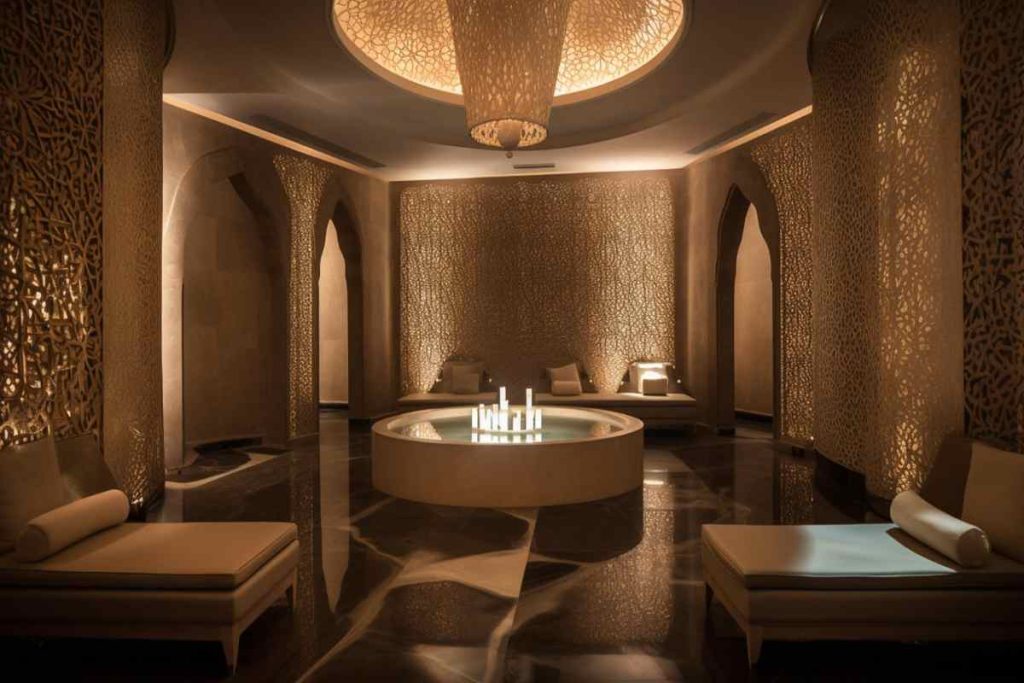
Turkish Hammam is a centuries-old tradition that blends heat, steam, and ritual cleansing into a distinctive wellness experience. This traditional Turkish bath experience sits at the heart of Turkish bath culture, weaving atmosphere, architecture, and communal care into every visit while highlighting Turkish bath rituals that have traveled across generations. In practice, many travelers compare hammam experiences to other wellness journeys to understand hammam vs spa, noting how the ritual rhythm and communal spaces set it apart. As guests move through heated rooms and steam, they may experience notable steam room benefits like muscle relaxation and clearer skin, all while sharing in a timeless experience. Whether you seek cultural immersion, physical relief, or mindful self-care, this traditional practice offers a memorable, multi-sensory cleanse.
Beyond the familiar name, this cleansing tradition is often described as an Ottoman bathhouse ritual, a steam bath tradition, or a ceremonial cleansing that ties wellness to culture. From an LSI perspective, related terms include traditional bath rituals, spa-like communal cleansing, and Turkish bath culture to broaden the scope of related searches. Whether termed hammam, bathhouse, or steam room experience, the core practice remains a temperature-driven sequence of warmth, moisture, exfoliation, and mindful stillness. Exploring these alternate labels helps readers connect with the same tradition across historic and modern settings.
Turkish Hammam: A Timeless Tradition of Turkish Bath Rituals
The Turkish Hammam is more than a bath—it’s a living tradition that unfolds through heat, steam, cleansing rituals, and a choreography that connects body and culture. In many ways, it embodies the essence of Turkish bath rituals, from the warm welcome to the final rinse.
As you move through a hammam, you experience the traditional Turkish bath in practice: marble slabs, domed ceilings, and a sequence of rooms designed to invite relaxation, purification, and social connection—an experience that supports both physical renewal and Turkish bath culture.
Turkish Hammam vs Spa: Understanding the Hammam vs Spa Experience
A Turkish Hammam integrates communal space and ritual cadence in a way that often contrasts with a private spa treatment. The hammam vs spa comparison highlights intent: cleansing rituals and social ambiance vs individualized therapies.
In a hammam, you are guided through a prescribed sequence of temperatures and exposures, with attendants assisting you through exfoliation and soap application—elements that distinguish this practice from typical spa visits and underscore the ritual at its core. Even the steam room benefits are framed as part of a holistic cleanse rather than a routine sauna.
The Architecture and Ritual: A Deep Dive into the Traditional Turkish Bath
Traditional Turkish bath architecture uses marble, domed ceilings, and hot rooms that reflect steam back into the space.
Beyond materials, the ritual’s pace—the cleansing, exfoliation, soap, rinse—embeds mindfulness and physical renewal, a hallmark of Turkish bath culture.
Health, Mind, and Skin: Health and Wellness Benefits of the Turkish Hammam
Regular hammam visits can improve circulation, relax muscles, and cleanse skin, aligning with the steam room benefits that many visitors seek.
The social rhythm and slow pace also support stress reduction and mood improvement, tying health to cultural practices, a reminder of Turkish bath culture.
Etiquette, Attire, and Practical Prep for a Turkish Hamam
Understanding Turkish bath rituals helps guests prepare: what to wear, how to behave, and how to interact with attendants during the cleansing and exfoliation stages.
Packing a pestemal, respecting nudity norms, and tipping etiquette all fit within the broader Turkish bath culture and ensure a respectful experience for everyone in the space.
Incorporating the Turkish Hammam into Modern Wellness Routines
More than a one-off experience, the Turkish Hammam can fit into ongoing wellness practices—from pre session mindfulness to post session hydration, aligning with modern wellness routines while preserving traditional elements of steam and cleansing.
As travelers or locals seek holistic wellbeing, the hammam provides a bridge between spa relaxation and the heritage of Turkish bath rituals, a testament to Turkish bath culture.
Frequently Asked Questions
What is a Turkish Hammam and how does it relate to traditional Turkish bath rituals?
A Turkish Hammam is a traditional bathhouse where visitors pass through heated spaces, steam, a kese exfoliation, olive-oil soaps, and a rinse. It embodies traditional Turkish bath rituals and Turkish bath culture, offering cleansing, relaxation, and a shared, ritual atmosphere.
Hammam vs spa: how does a Turkish Hammam differ from a modern spa experience?
In a Turkish Hammam, cleansing is ritualized and often performed in a communal space with attendants guiding you through a sequence of hot, warm, and cool rooms. A spa typically offers private treatments like facials and massages. This difference highlights the traditional Turkish bath culture and steam-focused experience.
What are the steam room benefits in a Turkish Hammam?
The steam and heat open pores, improve circulation, relax muscles, and support cleansing and exfoliation. These steam room benefits contribute to skin texture, hydration, and a meditative, calming state.
What should I expect in a traditional Turkish bath and how does it reflect Turkish bath culture?
Expect a sequence of rooms, a kese exfoliation, soap wash, and a final rinse or massage. This ritual embodies Turkish bath culture, combining cleansing, social space, and mindful relaxation.
What etiquette and attire should I know for a Turkish Hammam?
Bring a pestemal or swimsuit as required, remove shoes, follow staff rules about modesty and nudity, and tip attendants. Respect the shared space—this aligns with Turkish bath rituals.
What health and wellness benefits does the Turkish Hammam ritual offer?
Benefits include improved circulation and muscle relaxation, skin purification through exfoliation, stress reduction, and a calming, culturally rich experience that aligns with traditional Turkish bath culture.
| Aspect | Key Points |
|---|---|
| What is Turkish Hammam? | A traditional bathhouse emphasizing cleanliness through a ritual process in heated spaces; marble architecture, domed ceilings, and attendants guide guests through a steam- and heat-driven purification sequence. |
| Architecture and Atmosphere | Marble surfaces, domed ceilings, high humidity; heat-retaining design; spaces reflect steam and openness; ranges from traditional to modern variants. |
| The Ritual: Steps, Etiquette, and Attire | Begins with warm welcome and pestemal; cleansing, exfoliation with kese, soap application and rinse; potential massage; etiquette on shoes, modesty, and tipping; typical attire guidance. |
| Ritual Progression: Rooms and Experience | Move through warm anteroom, hot marble slab for cleansing, and cooler rinse area; steam opens pores and primes skin; exfoliation and cleansing follow, often with a final rinse or massage. |
| From Hammam to Spa: Key Differences | Spa tends to be private and treatment-focused; Hammam emphasizes ritual, communal spaces, and a prescribed sequence guiding cleansing and relaxation. |
| Health and Wellness Benefits | Improved circulation and muscle relaxation; skin cleansing and exfoliation; stress reduction; potential respiratory relief from humid air. |
| Cultural Significance and Social Experience | Historically social hubs; modern practice preserves ritual and etiquette; emphasizes community, conversations, and shared renewal. |
| Practical Tips and Preparation | Check gender sections and rules; bring pestemal or swimsuit; stay hydrated; communicate preferences; respect staff and etiquette. |
| Integration with Modern Wellness | Can complement massages, mindful breathing, and cultural immersion; offers a slower, contemplative alternative within contemporary wellness routines. |
Summary
Turkish Hammam offers a culturally immersive cleansing journey that blends heat, steam, ritual, and social connection into a holistic wellness experience. From the warm anteroom through the hot marble slab and final rinse, the ritual emphasizes cleansing, exfoliation, and mindful pace over speed. Beyond physical benefits such as improved circulation and skin renewal, the setting—marble halls, domed ceilings, and the shared space—cultivates a sense of calm and community that reflects centuries of Turkish bath culture.