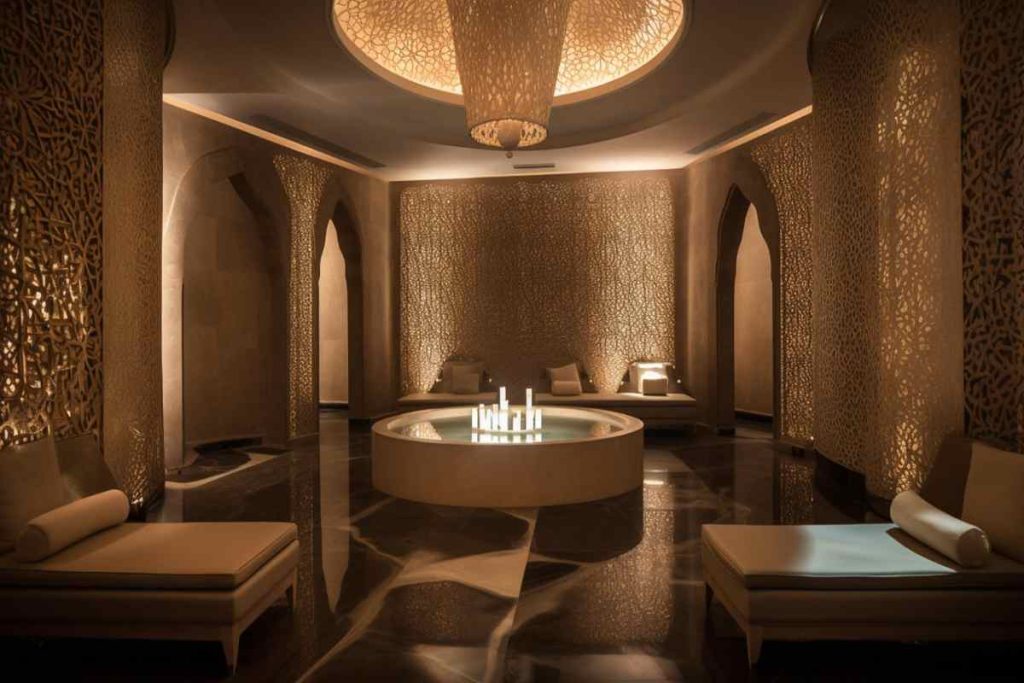
Turkish Hammam, the traditional Turkish bath, is more than a spa ritual – it is a cultural experience that connects generations through cleansing, relaxation, and social ritual. From marble-lined steam rooms to modern spa facilities, hammam rituals unfold in warm air, softly glowing lamps, the scent of eucalyptus, and a time-honored sequence that reflects the history of the Turkish Hammam. If you’re curious about how to approach this age-old custom, this guide will walk you through what the Turkish bath is, what to expect during a session, and the etiquette to follow. By understanding hammam etiquette, and the benefits of Turkish bath, you can prepare to feel refreshed, hydrated, and soothed. Whether you’re visiting a historic bathhouse or a contemporary spa, the experience invites you to slow down and connect with a rich cultural tradition.
In other words, this centuries-old steam bath tradition – often called an Ottoman bathhouse or public bath culture – embraces heat, moisture, and social cleansing. Readers may also hear it described as a Turkish spa ritual, a warm-room experience, or a ceremonial bath that blends cleansing with massage. By using these related terms alongside the primary name, search engines can better associate concepts like routine exfoliation (kese), foam massage, and the ceremonial wash with the core experience. Whether you call it a hammam, bathhouse, or steam bath, the essential elements remain: heat, dampness, attendants’ care, and a shared, respectful atmosphere. This LSIs-driven framing helps guide travelers and wellness enthusiasts toward authentic venues that honor tradition while offering contemporary comforts.
Turkish Hammam: A Timeless Cultural Bath Experience
The Turkish Hammam is not just a cleansing ritual; it’s a living cultural tradition that ties generations through shared spaces, steam, and ritual cleansing. From ancient marble rooms to lantern-lit ambiance, the experience engages senses: warmth, humidity, and the aromatic notes of eucalyptus and olive oil. The history of Turkish Hammam roots trace back to classical bath traditions refined in the Ottoman era, forming a social and architectural pillar of many communities.
In a typical hammam journey, visitors enter a sequence of rooms designed to move from cooler to hotter spaces, culminating in a steam-rich main chamber where attendants perform cleansing rituals. This experience aligns with the broader concept of the Turkish bath and the behind-the-scenes craft of hammam rituals that have been practiced for centuries, balancing purification with relaxation and social connection.
Hammam Rituals Unfold: From Arrival to Foam Massage
A standard hammam session unfolds as a recognizable arc: arrival and acclimation in a warmly humid environment, then steam and warm-up to open pores and ready the skin for deeper cleansing. Guests may wear a pestemal, the lightweight towel, as they move through progressively warmer rooms—the essential setup for the kese exfoliation and soap lather to follow, a hallmark of hammam rituals.
Exfoliation with kese followed by a luxurious foam massage is central to the experience, after which a rinse and moisture application complete the cleansing cycle. Throughout, the professional attendant guides the body through each stage, ensuring comfort and privacy while preserving the dignity and tradition of the ritual—an embodied expression of hammam rituals and the care that defines authentic Turkish baths.
Hammam Etiquette: Practical Tips for a Respectful Turkish Bath Experience
To participate respectfully, observe the etiquette surrounding attire, personal items, and behavior. In many hammams, guests wear a pestemal wrapped around the body, while others may allow swimwear—it’s wise to confirm dress code when booking. This is also where the practice of tipping attendants for washing, exfoliating, or massage is common, and modesty and privacy should be maintained in shared spaces.
Hydration is key in the heat of the hammam, and guests should communicate any skin sensitivities, medical conditions, or discomfort to the attendant. Additionally, honor cultural context by being patient with service pace, following directions from staff, and respecting others who are sharing the space, which strengthens the experience for everyone involved and reflects true hammam etiquette.
Benefits of the Turkish Bath: Skin, Circulation, and Relaxation
The cleansing process—steam, exfoliation, and massage—offers several benefits for skin health. The kese scrub removes dead cells, leaving skin smoother and more receptive to moisturizers, while the humid environment opens pores, promoting a healthy glow and improved texture—an element often highlighted in discussions of the benefits of Turkish bath.
Beyond the skin, the warm environment and rhythmic massage can boost circulation and ease muscle tension, providing a sense of deep relaxation and mental clarity. Regular sessions may support stress relief and a calmer mood, making the Turkish bath a holistic wellness practice that complements other self-care routines and spa therapies.
Choosing the Right Hammam: Public Baths, Hotels, and Authenticity
When selecting a hammam, consider whether you want a deeply traditional public bath with a long history or a modern hotel spa that fuses convenience with authenticity. The choice often reflects different expressions of the history of Turkish Hammam in architecture, service, and ambiance, while still delivering core elements of a Turkish bath experience.
Important practical factors include temperature and humidity levels, privacy options, and whether kese exfoliation and foam massage are included or offered as add-ons. If language or cultural cues matter, read reviews or ask pre-booking questions to ensure the facility aligns with your preferences for service style and the overall hammam etiquette you wish to observe.
The Global Turkish Bath Experience: What to Expect Around the World
Across cities—from Istanbul’s grand marble baths to resort spa hammams and Turkish-influenced venues abroad—the essential elements persist: steam, exfoliation, and massage that define the Turkish bath experience. While the setting may vary, the core ritual remains anchored in hammam rituals and the cultural heritage of the Turkish bath, offering a consistent pathway to cleansing and relaxation.
Travelers should approach any new hammam with curiosity and respect, asking about local rules, services, and durations. By embracing the tradition, you gain insight into the history of Turkish Hammam while enjoying the benefits of a timeless cleansing ritual that travels well across borders.
Frequently Asked Questions
What is a Turkish Hammam and how does it relate to the Turkish bath and hammam rituals?
A Turkish Hammam is the traditional steam bath at the heart of the Turkish bath experience. Built around heated rooms and steam, it combines cleansing rituals—hammam rituals—such as exfoliation with a kese, a rich foam massage, and a final rinse. The term Turkish bath often refers to the same practice, with the Hammam emphasizing this ritual sequence as a social, cleansing ceremony.
What can I expect from hammam rituals during a Turkish bath session?
Most sessions follow a familiar arc: acclimation in a warm room, steam and sweating, exfoliation with a kese, foam massage, rinse, and moisturize. An attendant guides you through each step, ensuring comfort while preserving tradition as you experience the hammam rituals.
What is proper hammam etiquette for visiting a Turkish Hammam?
Wear a pestemal (or modest swimwear as required), respect privacy, and follow staff directions in hot rooms. It’s customary to tip for services, stay hydrated, and check the dress code when booking. Keeping valuables secure and behaving considerately helps everyone enjoy the experience.
What are the benefits of Turkish bath in a Hammam experience?
Benefits include improved skin texture from exfoliation, better circulation from heat and massage, stress relief, muscle relaxation, and a calm, refreshed mental state. Regular Hammam sessions can complement skincare and overall wellness routines.
What is the history of Turkish Hammam and its influence on modern baths?
The Turkish Hammam traces back to Roman bath culture and evolved in the Ottoman era, merging architecture, steam rooms, and ritual cleansing. Its social, ceremonial nature has shaped modern spa practices, and many historic baths still influence today’s authentic Turkish bath experiences.
How do I choose a Hammam and prepare for a Turkish bath to maximize the experience?
Consider the type (public vs hotel spa), climate (temperature and humidity), and privacy options, as well as whether kese and foam massage are included. Bring a pestemal, sandals, and a small towel; confirm dress code and service inclusions when booking to tailor the experience to your preferences.
| Aspect | Key Points |
|---|---|
| What is a Turkish Hammam? | Public or private bath built on steam, heat, and thorough cleansing; steam-driven cleansing in a social, purpose-built space; architecture moves from cooler to hotter rooms, culminating in a moist main room. |
| The Hammam Rituals: Step-by-Step | Arrival and acclimation; Steam and warm-up; Exfoliation with kese and soap; Foam massage and cleanse; Rinse and moisturize; Attendant-guided process. |
| Etiquette, Preparation, and Safety | Attire (pestemal or modest coverings), tipping practices, hygiene norms, hydration, cultural respect, and following staff directions especially in hot rooms; communicate sensitivities. |
| Benefits | Improved skin texture from exfoliation; enhanced circulation; stress relief; muscle relaxation; a refreshing, detox-like sensation. |
| Choosing a Hammam | Type (public vs hotel/spa); temperature and humidity; privacy options; availability of kese and soap; language and cultural considerations. |
| What to Expect in Different Hammams Around the World | Historic Istanbul-style grand marble baths; spa-resort hammams with private suites and modern amenities; Turkish-influenced venues vary in ambiance but share steam, cleansing, and massage elements. |
| Frequently Asked Questions | Traveler suitability for non-Turkish visitors; whether to bring own products; typical session duration (60–90 minutes); health considerations and customization options. |
| Conclusion | A Turkish Hammam offers a concise summary of history, culture, and wellness, inviting visitors to slow down, engage with a long-standing tradition, and emerge refreshed through steam, exfoliation, and soothing massage. |
Summary
Turkish Hammam, Osmanlı mirasının derin izlerini taşıyan geleneksel bir banyo deneyimidir ve bu yazı, bu ritüelin nasıl çalıştığını, hangi adımları içerdiğini ve nelere dikkat edilmesi gerektiğini açıklayarak kültürel bir yolculuk sunar. Bu deneyim, sıcak ve nemli havayı, lampların hafif parıltısını, defne ve zeytinyağı kokusunu ve kese, köpük masajı gibi ritüelleri bir araya getirir. Hammamlar, soğuk odalardan başlayıp sıcak ve buhar dolu ana odaya geçişi sağlayan çok katmanlı mimarisiyle zengin bir atmosfer yaratır. Attendant’ın rehberliğinde geçirilen bu süreç, temizliğin ötesinde bedensel rahatlama ve zihinsel odaklanma sağlar. Etiket, hijyen ve saygı kurallarına uyularak bu kültürel deneyim, ziyaretçilere toplumsal bağları hatırlatan bir ritüel olarak kalır. Turkish Hammam, sağlık, dinlenme ve ruh dinginliği için çeşitli faydalar sunar: cilt temizliği, dolaşımın uyarılması, stresin azaltılması ve kas gevşemesinin desteklenmesi gibi. Farklı hammam türleri ve lokasyonlar, bu geleneksel deneyimin evrensel öğelerini kendi kültürel tatlarıyla ifade eder; İstanbul’daki görkemli mermer mekânlardan modern spa otellerine kadar, her yerde bu köklü ritüel aynı temellere dayanır.