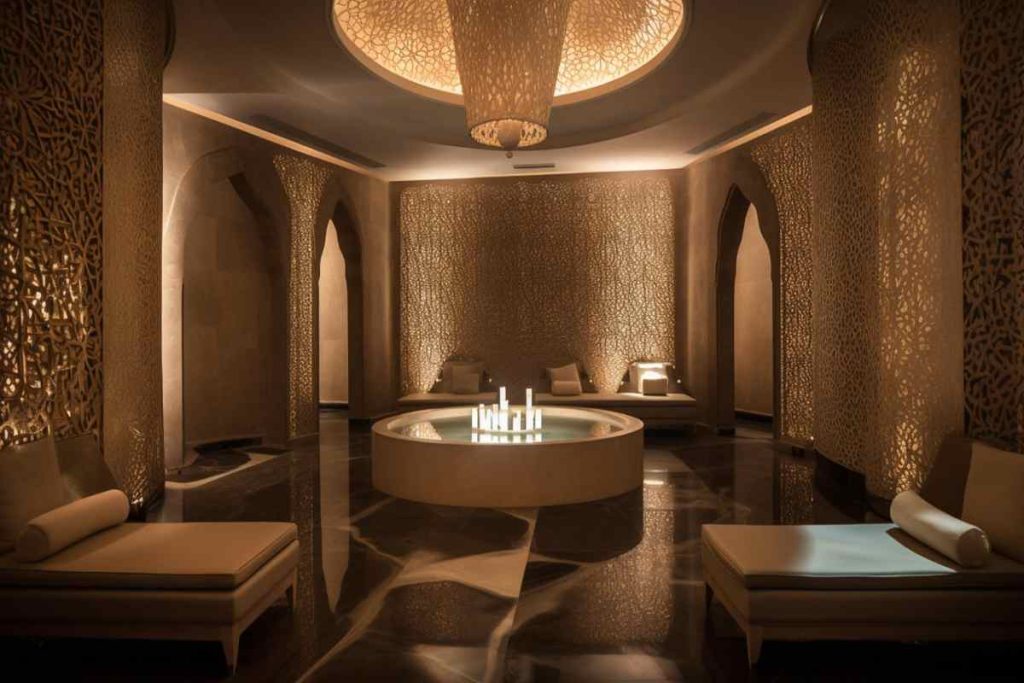
The Turkish bath invites you into a timeless ritual of heat, steam, and social cleansing that blends history with pure relaxation. This traditional hammam experience surrounds marble rooms, warm temperatures, and fragrant soaps, offering more than cleansing—it’s a cultural immersion. Beyond cleansing, hammam benefits include improved circulation, smoother skin, and a calm mind, turning daily stress into lasting tranquility. If you’re new to the ritual, learning how to visit a hammam and following hammam etiquette can help you feel comfortable and respectful. From Istanbul’s historic baths to broader regions, Turkish bath history reveals a rich tapestry of hospitality, architecture, and communal ritual.
Across cultures, this steam bath tradition unfolds as a timeless ritual where heat, water, and communal care come together in a dedicated bathhouse setting. Whether you call it a steam bath, a hammam, or a spa ritual, the experience centers on progressively warmer rooms, exfoliation, and cleansing that soothe the body and mind. LSI principles suggest weaving related terms like kese scrub, pestemal, aromatherapy, and relaxation to signal the topic to search engines without keyword stuffing. The overall journey celebrates hospitality, architecture, and a cultural rhythm that invites a pause, reflection, and renewal. Timeless, accessible, and endlessly inviting to every visitor.
Turkish bath Essentials: Understanding the Turkish bath and the Traditional Hammam
The Turkish bath, commonly known as the hammam, is a ceremonial ritual that blends heat, water, and social connection. It sits within the broader tradition of the traditional hammam, a cleansing culture that has evolved over centuries from Roman baths to Ottoman sanctuaries. Across regions—from Istanbul’s marble bathhouses to Marrakech’s steam rooms—the core experience emphasizes purification, relaxation, and hospitality as much as personal care.
Entering a hammam is stepping into a structured sequence of rooms with increasing warmth, where warm washes lead to steamy zones, exfoliation with a kese, and foaming massages. Understanding this progression helps travelers know what to expect and can guide choices about how to visit a hammam. The ritual is as much about ritual and community as it is about cleansing a single body.
Era and Architecture: Turkish bath history and Ottoman Hammam Design
Turkish bath history is a layered story, tracing ideas of public bathing from Roman thermae through Persian practices into Ottoman courtyards and domed sanctuaries. The hammam spaces were engineered for heat, humidity, and social flow, using domed ceilings, radiant marble, and intricate tilework to create a soothing atmosphere. These architectural choices were practical as well as aesthetic, shaping the way heat circulated and how people connected within the space.
In cities like Istanbul, Edirne, and Bursa, historic hammams became civic landmarks and social hubs, where bathing intertwined with conversation, business, and tradition. Today, the same spirit persists as modern spa hammams coexist with venerable, centuries-old baths, offering a bridge between Turkish bath history and contemporary wellness.
Ritual Flow: From Warm Welcome to Final Rinse
A traditional hammam unfolds in a measured sequence that begins with arrival, change, and a warm wash to ease the body into the heat. Visitors then progress to steadily warmer rooms, culminating in a hot steam area, followed by exfoliation, foam massage, and a final rinse. This flow—guided by calm pacing and mindful breathing—defines the Turkish bath experience.
The kese scrub, a hallmark of the traditional hammam, uses a rough mitt to slough away dead skin and stimulate circulation. While it is optional in some places, many spas offer it as part of a complete ritual, often paired with fragrant soaps and body foams. The rhythm of cleansing, massage, and a quiet rest afterward is a key element of hammam etiquette for first-timers.
Hammam Benefits for Body, Mind, and Skin
Beyond relaxation, the hammam benefits extend to improved circulation, softer skin, and relief from muscle tension after travel or workouts. The warm humidity helps open pores and supports detoxification, while the gentle stretching and massage can ease stiffness. Regular visits may contribute to lower stress levels and a sense of mental calm.
However, people with certain medical conditions should consult a clinician before visiting a hammam. Staying hydrated, listening to your body, and stepping out when needed are essential practices to maximize hammam benefits safely. Combining heat with exfoliation and massage creates a holistic wellness experience that many travelers and locals alike value.
Practical Guide: How to Visit a Hammam and Prepare
When planning a hammam experience, booking ahead is wise, especially in peak travel seasons. You can choose between historic, grand hammams that exude old-world charm and modern spa hammams that emphasize privacy and comfort. The overall goal is to enjoy a cleansing ritual within a welcoming environment. For first-time visitors, consider a basic kese and foam treatment that introduces you to the flow without overwhelming heat.
Packing and preparation matter as well: bring a pestemal or towel, sandals, and water to stay hydrated. Dress codes vary by establishment, so ask staff about the preferred attire and follow their lead to respect hammam etiquette. If you’re unsure how to proceed, asking for guidance on the routine—such as how to visit a hammam or what to expect—helps ensure a smooth, enjoyable experience.
Cultural Context and Regional Variations Within the Turkish Bath Tradition
Regional variations in the Turkish bath tradition reflect local customs, architectural styles, and hospitality norms. In major cities, you may find ornate historic hammams that feel like living museums, while smaller towns offer intimate, family-run spaces that emphasize personal attention. Across regions, the essence of hospitality—cleanliness, courtesy, and a welcoming atmosphere—remains consistent, revealing the enduring appeal of the Turkish bath history.
From etiquette guidelines to attire expectations, visitors should adapt to the local norms while embracing the shared ritual. Understanding the broader context—how to respect space, when to speak, and how to participate in the kese—enriches the experience and keeps the tradition vibrant for future travelers and residents alike. The tradition continues to evolve, blending centuries-old practice with contemporary wellness trends.
Frequently Asked Questions
What is a Turkish bath and how does a traditional hammam ritual work?
A Turkish bath, or hammam, is a ceremonial cleansing ritual performed in a sequence of heated rooms. Visitors start with a warm wash, move through steam, and finish with exfoliation (kese), soap foams, and a rinse. The experience emphasizes cleansing, relaxation, and social connection within marble spaces.
What are hammam benefits for skin, muscles, and overall well-being?
Hammam benefits include improved circulation, deeper cleansing, smoother skin from exfoliation, muscle relaxation, and stress relief. Regular Turkish bath sessions can support relaxation, post‑travel recovery, and a sense of well‑being.
How to visit a hammam: practical steps for a Turkish bath experience?
Booking ahead helps, especially in popular destinations. Choose a historic or modern hammam, and decide on the level of service. Dress modestly—typically a pestemal or towel—and wear sandals. Follow the ritual steps: arrival and change, warm wash, steam, kese exfoliation, foam massage, rinse, and rest. Hydrate and respect any gendered spaces and hammam etiquette.
What should I wear and how should I prepare for a Turkish bath?
In a Turkish bath, attire varies by establishment; many places use a pestemal or modest swimwear in mixed areas. Bring a towel, sandals, and water. Check the dress code with staff, and prepare for a calm, gradual heat experience rather than a rushed treatment.
What is the Turkish bath history and how did the hammam evolve?
Turkish bath history traces from Roman thermae through Persian and Arab bathing traditions, culminating in the Ottoman era’s iconic hammams. These spaces combined architecture, heat, and hospitality, creating social bathing hubs that influence today’s historic and modern hammams.
What etiquette should I follow at a Turkish bath to respect traditional hammam culture?
Hammam etiquette includes respecting gendered spaces, wrapping in a pestemal, keeping conversations quiet, following staff guidance for scrubs and massages, and tipping where customary. Be mindful of personal space, cleanliness, and the ceremonial pace of the Turkish bath.
| Topic | Key Points |
|---|---|
| What is a Turkish bath? | Ceremonial bathing ritual performed in a hammam; heightens heat, steam, and cleansing; structured sequence of rooms with specific temperatures; involves warm wash, steam, kese scrub (optional), and foam massages; emphasizes social connection as part of the experience. |
| Historical background: from Roman baths to the Ottoman hammam | Roots in Roman thermae and earlier bathhouses; evolved notably during the Ottoman era; iconic architecture (domed ceilings, marble, tilework) aids heating and ambiance; hammams served as social hubs in cities like Istanbul, Edirne, and Bursa. |
| What to expect in a traditional hammam today | Historic hammams coexist with modern spa facilities; common elements include gendered or partitioned spaces, a sequence of warming rooms, a kese scrub option, foam massages, and a calm, ceremonial pace. |
| The ritual steps explained | 1) Arrival and change; 2) Warm wash; 3) Steam and relaxation; 4) Exfoliation (kese); 5) Foam and massage; 6) Rinse and rest. |
| Health benefits worth knowing | Heat and humidity aid cleansing and circulation, ease tired muscles, and support stress reduction; kese exfoliation smooths the skin; people with certain medical conditions should seek clinician advice; stay hydrated. |
| Hammam etiquette: tips for a respectful visit | Respect gendered spaces and policies; dress modestly with pestemal or towel; keep conversations low; tipping is customary; bring basic toiletries or check what’s provided. |
| How to visit a hammam: practical steps | Book ahead; choose historic or modern style; plan timing to avoid crowds; decide on level of service; hydrate and rest during and after the visit. |
| Regional variety and notable hammams | Istanbul’s historic hammams (e.g., Cagaloglu, Çemberlitaş) showcase centuries of design; smaller towns feature family-owned hammams; core ritual remains consistent, with hospitality and cleanliness at the center. |
| What to wear and how to prepare | Attire varies by establishment; use a pestemal or minimal clothing in designated areas; wear flip-flops; bring a reusable water bottle; ask staff about dress code; prepare for heat and humidity. |
| Common myths about the Turkish bath | Not just a quick clean; it’s a social, cleansing, and relaxing ritual; newcomers are welcomed and guided; it’s accessible to travelers and locals alike. |
Summary
Turkish bath remains a timeless ritual blending warmth, water, and hospitality into a full-body experience that calms the mind as it revives the body. In hammams, history meets modern comfort, offering a sequence of heated rooms, exfoliation, foam, and gentle massages that encourage cleansing, social connection, and mindful relaxation. The tradition invites travelers and locals alike to slow down, savor textures, and participate in a culture of care—leaving skin renewed, senses soothed, and a sense of belonging to a centuries-old practice.