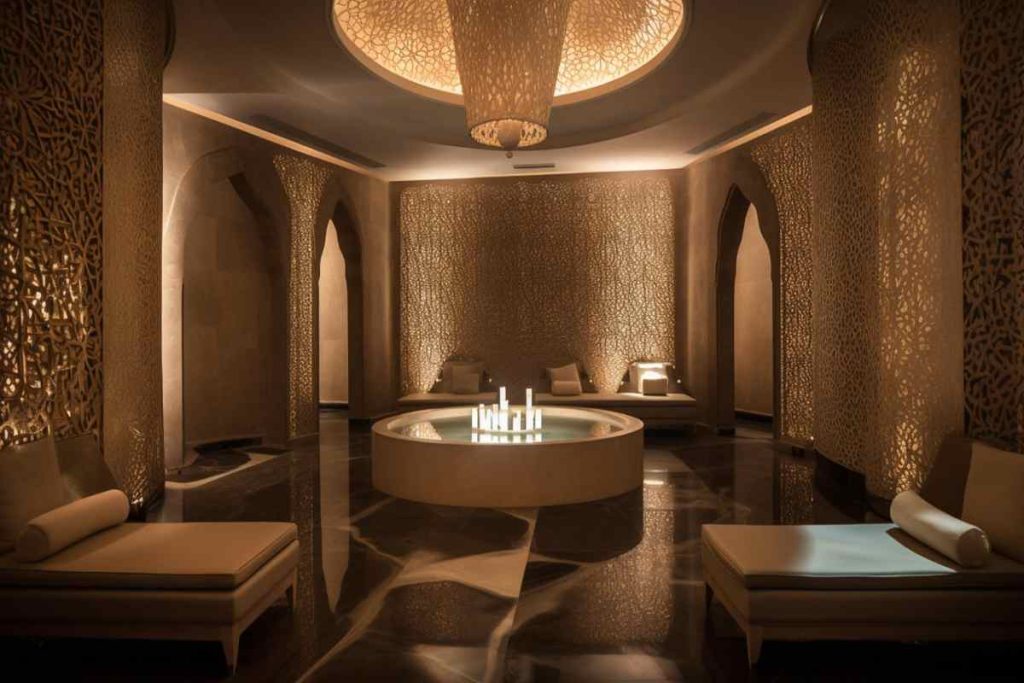
Few winter escapes compare to the warmth and ritual of a Turkish bath, a sanctuary where heat and hospitality melt away the chill and invite a slow, lingering sense of comfort. This ancient practice blends enveloping steam, exfoliating textures, and traditional hammam rituals into a restorative experience that resonates during the colder months, as the air outside grows sharp while the body releases tension beneath soft light and muted sound. You move through a choreographed sequence of warm rooms, scrub and soap, and quiet rest that heightens circulation, nourishes the skin, and settles the mind after busy days. The ritual’s fragrant oils, rhythmic massage options, and shared social atmosphere invite a moment of calm that can become part of a broader wellness rituals routine. If you’re new to hammam culture, approach with curiosity and patience, and you’ll discover how heat, humidity, and careful touch come together to redefine comfort and leave you refreshed.
Also known as a hammam, this steam-soaked bathhouse ritual draws on a centuries-old tradition of communal cleansing and restorative warmth. In many spa settings you’ll encounter a Turkish-style steam bath, a wellness ritual that blends exfoliation, massage, and hydrothermal comfort, all designed to detoxify, relax, and renew energy. Whether experienced in a heritage bathhouse or a modern wellness facility, the concept centers on heat, humidity, and mindful touch to stimulate circulation and nurture the skin.
1) Embrace a Winter Spa Experience: The Turkish Bath as Warmth and Renewal
Few winter escapes compare to the warmth and ritual of a Turkish bath, a true winter spa experience that soothes sore muscles and brightens the mood. Stepping into a sun-warmed marble space, you feel the contrast between the cold air outside and the inviting humidity inside, a presence that signals the start of a restorative journey. The sensory mix of heat, steam, and fragrant oils creates a cocoon-like environment where fatigue dissolves into quiet energy, inviting your body to reset and your mind to slow down.
As the heat settles in, the experience unfolds with a ceremonial rhythm designed to nurture the whole person. From the first inhale of warm steam to the final restful pause, this ritual blends physical warmth with mental calm, transforming even a brief visit into a lasting sense of renewal. The Turkish bath, framed as a winter spa experience, becomes a tailor-made retreat for body and mind, where social warmth and personal comfort converge to counter the season’s chill.
2) Traditional Hammam Rituals: A Step-by-Step Journey Through Heat, Exfoliation, and Relaxation
A genuine Turkish bath experience unfolds through a sequence of traditional hammam rituals, each step heightening the senses and deepening relaxation. Begin in a marble room where heat and humidity greet your skin, loosening tension and inviting mindful, slow breathing. The progression towards deeper warmth primes the body for cleansing, sweating, and a sense of release that can be profoundly soothing after long days.
Exfoliation with a kese and a lathering soap follows, revealing smoother skin and enhancing the absorption of subsequent moisturizers. The routine may include a loofah rinse and a massage, each touch contributing to improved circulation and muscle relaxation. The journey culminates in a calm rest phase, often in a quiet lounge, where the body hydrates and the mind settles into a tranquil space.
3) Turkish Hammam Benefits for Body and Mind in Cold Weather
Regular exposure to heat and steam in a Turkish bath promotes improved circulation, easing muscle stiffness and supporting recovery after activity. The warm environment helps dilate blood vessels, delivering nutrients to tired muscles and contributing to a smoother, more responsive physique during the winter season. For many, this translates into a tangible sense of vitality that lasts beyond the session.
Beyond physical benefits, the ritual’s rhythmic, soothing cadence lowers stress and can improve skin health through exfoliation and hydration. The combination of cleansing, heat, and rest creates a mental vacation that counters the winter blues, while the social element of the hammam adds a comforting dimension of belonging. Taken together, these factors illustrate the Turkish hammam benefits as both a physical balm and a mindful wellness practice.
4) Therapeutic Baths and Deep Hydration: Restoring Skin and Circulation
The therapeutic baths of a Turkish bath blend heat, moisture, and exfoliation to recalibrate skin moisture and circulation. Steam invites deeper perspiration while the kese sloughs away dry, rough patches, enabling skin to better absorb post-session moisturizers and oils. In winter, when dry air steals moisture, this restorative sequence helps rehydrate skin and restore a radiant, supple feel.
Hydration becomes a built-in ritual: drinking water and opting for electrolyte-rich beverages after a session helps replenish minerals lost through sweating. This approach aligns with broader wellness rituals, turning a simple cleanse into a comprehensive care routine that supports energy, mood, and skin health during the cold months.
5) Wellness Rituals for Renewal: Social Comfort, Seclusion, and Mindful Quiet
Wellness rituals in a Turkish bath weave social connection with personal retreat, offering a unique balance of community and quiet space. For some, the communal setting provides warmth and shared retreat, while others may prefer private or semi-private hammams to cultivate a more introspective experience. Either way, the atmosphere supports a slower pace and a deeper sense of well-being that resonates throughout the day.
The sensory elements—dim lighting, soft textures, and the scent of scented oils—enhance a mindful, immersive escape. The rhythm of heat, cleansing, exfoliation, massage, and rest becomes a meditative sequence that quiets the mind, supports reflective thought, and leaves you with a calmer, clearer perspective as you re-enter daily life.
6) Practical Guide to Visiting a Turkish Bath This Winter: Etiquette, Preparation, and Safety
Planning a winter visit to a Turkish bath benefits from practical preparation. Hydration before and after the session supports the body as it sweats, while appropriate attire—pestemal towels or modest swimwear in mixed settings—preserves comfort and etiquette. Following the established flow from heat to cleansing, exfoliation, and rest helps you experience the full range of therapeutic effects.
Safety considerations are important: if you have cardiovascular concerns, are pregnant, or have skin conditions, consult a healthcare provider and communicate preferences with attendants. Observing etiquette and listening to your body ensures a safe, comfortable experience, whether you’re seeking a traditional hammam ambiance or a modern spa adaptation as part of your winter wellness plan.
Frequently Asked Questions
What is a Turkish bath and why is it a great winter spa experience?
A Turkish bath is a communal cleansing ritual rooted in centuries of spa culture. It unfolds as a sequence of rooms designed to open the pores, improve circulation, and invite deep relaxation, making it an ideal winter spa experience. In a typical session you move from warm, humid heat to a more intense steam phase, then enjoy exfoliation with a kese and soap, followed by rest and hydration. Benefits often include improved circulation, eased muscle stiffness, clearer skin, and a calm, refreshed mind—especially soothing during cold weather.
What are traditional hammam rituals in a Turkish bath and what should I expect?
Traditional hammam rituals guide the journey in a Turkish bath: begin in a heated marble room where steam relaxes the body, then cleanse and exfoliate with a kese, and finish with a massage or loofah rinse. The ritual emphasizes heat, cleansing, exfoliation, massage, and rest, with optional additions like scented oils or quiet time. Expect a respectful, communal ambiance and modesty guidelines such as using a pestemal or swimsuit per venue rules. The sequence heightens the senses and deepens relaxation, embodying the essence of traditional hammam rituals.
What are the Turkish hammam benefits for skin, muscles, and stress relief?
The Turkish hammam benefits include improved circulation from heat-induced vasodilation, muscle relaxation, and exfoliated skin that helps moisturizers penetrate more effectively. It also supports stress reduction through the ritual’s rhythmic, soothing nature and quiet time. Regular sessions can aid post-workout recovery and contribute to a calmer mood, making it a valuable addition to a winter wellness routine.
How can a Turkish bath be considered a therapeutic bath for chilly months and fatigue?
Viewed as a therapeutic bath for cold months, a Turkish bath combines heat and humidity to promote detoxification, joint comfort, and mental relaxation. The ceremonial nature of the experience adds a wellness ritual-like quality, turning cleansing into a holistic practice that re-energizes the body and mind. For winter fatigue, the warmth and mindful touch help restore energy, clarity, and a sense of well-being.
How should I prepare for a Turkish bath and what wellness rituals should I follow in a winter visit?
Prepare by staying hydrated and wearing appropriate attire—often a pestemal or swimsuit, depending on local rules. Follow the prescribed sequence without rushing, and communicate any skin sensitivities or preferences to the attendant. Maintain towel etiquette in shared spaces to preserve modesty and comfort. Afterward, rehydrate and consider light, nourishing snacks as part of your overall wellness rituals for a balanced winter visit.
Where to experience a Turkish bath and how to choose the right winter spa experience?
You can experience a Turkish bath in traditional hammams or modern spa facilities. When choosing a winter spa experience, consider atmosphere and authenticity, privacy options (solo rooms or private hammams), inclusions like exfoliation and massage, price, and cleanliness. Whether you seek an authentic hammam or a contemporary wellness ritual, pick a venue that prioritizes safety, comfort, and a soothing environment for winter visits.
| Key Point | Description |
|---|---|
| What is a Turkish bath and why it feels comforting in winter? | A communal cleansing ritual rooted in centuries-old spa culture; not just a steam room or sauna. A sequence of heat, humidity, exfoliation with kese, lathering, massage, and rest fosters relaxation, improved circulation, and renewed energy—especially comforting as cold weather bites. |
| Ritual steps and sensory journey | Initial warmth in a marble room to loosen tension, followed by exfoliation with kese and soap, then loofah rinses or a light massage; final rest. Modern hammams may add scented oils, brief plunge into cooler water, or meditation corners; the core rhythm remains heat, cleansing, exfoliation, massage, and rest. |
| Physical and mental benefits | Increased blood flow, eased muscle stiffness, clearer skin, stress reduction, and improved post-workout recovery; warmth and moisture in winter enhance these effects. |
| Preparing for your visit | Hydrate well; dress with pestemal or swimsuit as appropriate; follow the ritual sequence; communicate preferences; maintain towel etiquette for modesty and comfort. |
| Where to experience a Turkish bath | Traditional hammams offer heritage ambience and communal vibes; modern spas provide privacy and curated rituals. Consider atmosphere, service options (solo, couples, private hammams), price, inclusions, and cleanliness. |
| Incorporating into a winter wellness plan | Pair with mindful movement, hydration rituals, and light post-session nourishment to maximize relaxation and recovery. |
| Why it can be the perfect winter spa experience | A multisensory escape that blends heat, ritual, and social warmth, turning a routine cleanse into a restorative ceremony and offering warmth during short, cold days. |
| Safety, etiquette, and inclusivity | Consult a clinician for cardiovascular concerns or pregnancy; avoid aggressive exfoliation with skin conditions; stay hydrated and listen to your body; observe etiquette in communal spaces and seek staff guidance as needed. |
| Overall takeaway | A holistic, time-honored winter wellness practice that nourishes skin, supports circulation, and calms the mind through warmth, cleansing, and rest. |
Summary
Turkish bath stands as a timeless winter wellness ritual that blends heat, humidity, and ceremonial touch into a nourishing retreat for body and mind. In the hush of steam and the warmth of ritual, visitors rediscover energy, soften tension, and restore skin’s glow, while communities share a quiet sense of belonging. By embracing the Turkish bath as part of a seasonal wellness plan, you invite a multi-sensory experience that supports relaxation, circulation, and resilience during shorter days and colder weather.