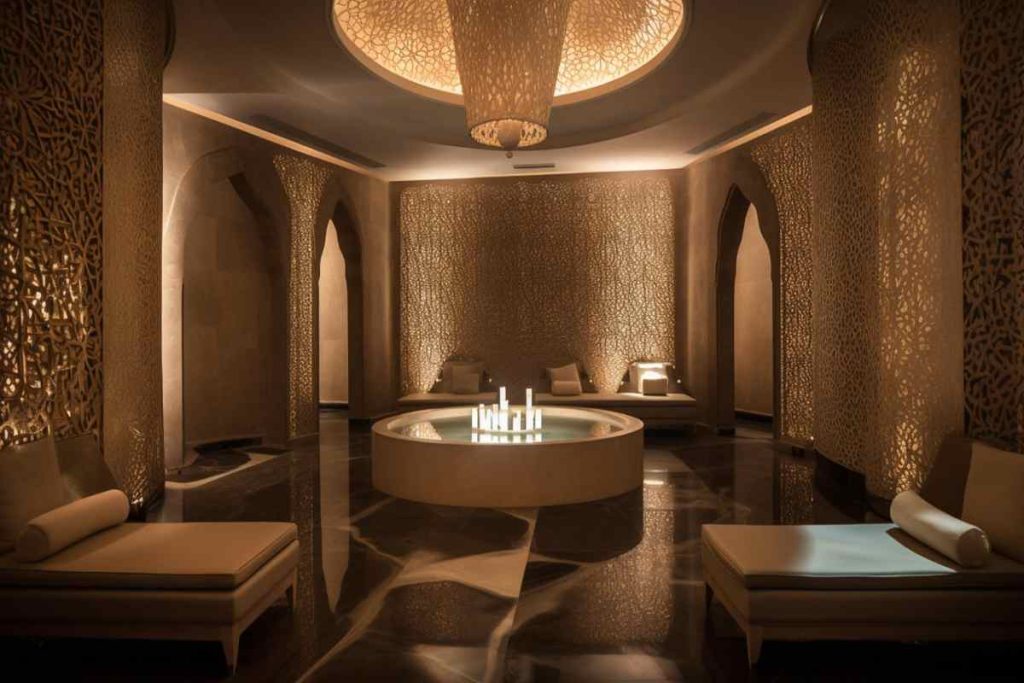
The Turkish bath welcomes visitors with a warm, misty embrace that signals the start of a cleansing ritual. As you progress through its ritual rooms, you’ll discover hammam benefits like improved skin texture, relaxation, and eased muscle tension. The Turkish bath experience combines heat, steam, and careful massages that soothe the senses and calm the mind. If you’re curious how to visit a hammam, this guide outlines etiquette, prep, and what to expect. Understanding hammam rituals also offers a window into steam bath Turkish culture, hospitality, and social tradition.
Beyond the well-known name Turkish bath, the same experience is commonly referred to as a hammam, a traditional public bathhouse ritual found across Turkish culture. In wellness contexts you may also see steam bath or bathhouse traditions used, retaining the core sequence of heat, cleansing, and exfoliation. For practical planning, phrases like how to visit a hammam and hammam rituals describe steps, etiquette, and services you’ll encounter. Latent Semantic Indexing (LSI) principles suggest intertwining related terms such as skin cleansing, circulation benefits, social culture, and heritage to optimize discovery. In short, whether you search for Turkish bath, hammam, or steam bath, you’re discovering the same enduring tradition of hospitality and wellness.
What is a Turkish bath? Understanding the Hammam Tradition and Turkish Culture
A Turkish bath, or hammam, is a public bathhouse that uses steam and humidity to cleanse, soften the skin, and promote circulation. Unlike a dry sauna, the hammam environment is warm and moist, with a carefully designed sequence of rooms that guide you from gentle heat to a cooler finale. The experience blends cleansing with ritual, architecture, and shared space, making it more than a simple wash.
The architecture—marble surfaces, vaulted ceilings, and domed skylights—plays a key role in the ritual. The Turkish bath is deeply embedded in Turkish culture, serving as a social and hospitality-centered practice as much as a spa procedure. This steam bath Turkish culture context turns a routine cleansing into a ceremonial experience that connects body, breath, and community.
Hammam Rituals: Steps, Etiquette, and the Shared Space
Hammam rituals typically unfold in a sequence designed to cleanse, relax, and renew. In warm rooms you’ll experience gentle sweating, then cleansing with a soap or olive-oil-based product, followed by exfoliation with a kese (the iconic rough glove). A final foam massage and thorough rinse complete the core ritual.
Respect for others and clear communication are central to hammam rituals. Attendants may adapt the intensity to your comfort, and modest attire or towel wraps help preserve privacy. Even in a communal setting, the space is meant to be tranquil and respectful, emphasizing consent and a shared, soothing atmosphere.
Hammam Benefits: Skin, Circulation, and Well-Being
hammam benefits include skincare improvements from exfoliation, cleansing, and exposure to warm, humid air that can soften skin and open pores. Regular visits can support texture, tone, and moisture retention, especially when paired with post-session hydration and moisturization.
Beyond the skin, the warm, moist environment and targeted massages promote circulation and muscle relaxation. Many people also report reduced stress and a sense of mental calm, making the Turkish bath experience a holistic practice that nurtures both body and mind.
How to Visit a Hammam: Practical Tips for First-Time Visitors
How to visit a hammam begins with choosing a venue that matches your comfort level—historical bathhouses for a traditional vibe or modern spa-inspired spaces for privacy and comfort. Before you go, check the dress code and etiquette, and consider whether you want a private area or a communal experience.
Pack essentials such as a towel, flip-flops, a waterproof bag, and any personal skincare products you may want to use. Plan for a 60–90 minute session, stay hydrated, and communicate any health concerns to staff. By understanding the etiquette and options, you’ll approach the hammam with confidence and respect.
The Turkish Bath Experience Across Traditions and Modern Wellness
Today’s Turkish bath experience sits at the crossroads of centuries-old tradition and contemporary wellness. You can find historic bathhouses in old quarters and sleek urban spas offering condensed hammam-inspired rituals, all designed to cleanse, relax, and connect with others.
Across cultures, the steam bath Turkish culture continues to influence spa design, hospitality, and social rituals. Whether you seek a cultural immersion or a quiet spa day, the Turkish bath experience provides a unique pathway to explore how a timeless practice can adapt to modern wellness trends.
Common Myths About the Turkish Bath Debunked
A common myth is that hammams are only for locals or that the rituals are overly aggressive. In reality, you control the intensity and can opt for milder cleansing or skip the exfoliation. Modern hammams also welcome visitors from around the world, making it a shared cultural experience.
Another misconception is that the heat is dangerous or unsuitable for most people. With proper hydration, duration, and professional guidance, most adults in good health can enjoy a safe hammam session. Understanding hammam rituals and listening to staff helps separate myth from reality and encourages respectful participation.
Frequently Asked Questions
What is a Turkish bath and how do hammam rituals shape the Turkish bath experience?
A Turkish bath, or hammam, is a steam-filled spa that uses a sequence of heated rooms, cleansing, exfoliation, and massage. Hammam rituals emphasize cleanliness, modesty, and shared space, often in marble interiors with domed ceilings. The Turkish bath experience usually includes warming, cleansing, exfoliation with a kese, a foam massage, and a final rinse.
What are the hammam benefits you can expect from a Turkish bath?
Hammam benefits include deep cleansing, skin exfoliation, improved circulation, muscle relaxation, and stress relief. Many visitors also enjoy the cultural and social dimension of the Turkish bath experience, which can enhance overall well-being.
How to visit a hammam: practical tips for first-timers seeking a Turkish bath experience?
To visit a hammam, pick a traditional bath or a modern spa, check the dress code, and bring a towel, sandals, and any personal products. Expect a warm room, cleansing with soap, exfoliation with a kese, a foam massage, and a final rinse, plus time to rest. Hydrate before and after, and tell staff your comfort level and any health considerations.
What does a typical Turkish bath experience include, and what are the key hammam rituals?
A typical Turkish bath experience starts in a warm room to acclimate to heat, followed by cleansing with soap, exfoliation using a kese, and a foaming massage. Afterward there is a final rinse and a cool-down period. Hammam rituals emphasize modest attire, respectful behavior in a communal setting, and clear communication with attendants.
What etiquette rules reflect steam bath Turkish culture in a Turkish bath, and how should visitors behave?
Steam bath Turkish culture etiquette centers on hospitality, modest dress, quiet ambiance, and consent for intensity. Visitors usually wear a towel or wrap, respect others’ privacy, and follow staff guidance. Maintaining hygiene—showering before and after, using provided slippers, and staying hydrated—helps everyone enjoy the experience.
Is a Turkish bath safe for travelers, and how do you choose between a traditional hammam and a modern Turkish bath experience to maximize hammam benefits?
Turkish baths are generally safe for healthy travelers, but people with skin conditions, heart issues, or pregnancy should check with a clinician first. When choosing, decide between a traditional hammam and a modern Turkish bath experience, and ask about products used, privacy options, and staff qualifications to maximize hammam benefits.
| Aspect | Key Points |
|---|---|
| Definition / What is a Hammam | A hammam is a public bathhouse blending cleansing, relaxation, and social rituals in a warm, steamy environment; features include high humidity, multiple rooms with increasing temperatures, marble surfaces, domed ceilings, and a ceremonial atmosphere. |
| The Hammam Experience / Typical Visit | Warmth and steam introduction; cleansing with soap and water; exfoliation with a kese; foam massage; final rinse and cool-down. |
| Hammam Rituals / Etiquette | Hospitality and modesty; communal atmosphere; personal space and consent; hygiene basics; appropriate attire; tipping in some places. |
| Hammam Benefits | Skin cleansing and exfoliation; improved circulation and relaxation; detox and lymphatic support; social and cultural enrichment. |
| How to Visit a Hammam / Practical Tips | Research venue type; check etiquette and dress code; bring essentials; session duration (60–90 minutes typical); hydration and aftercare; safety considerations for health conditions. |
| Common Myths | Not only intense massages; intensity can be adjusted; not only for locals; heat is manageable with hydration and reasonable timing. |
| Traditional vs Modern Hammams | Tradition meets contemporary wellness; traditional bathhouses coexist with spa-inspired facilities; core idea remains cleansing, relaxation, social ritual. |
Summary
Turkish bath, yani hammam, toplumsal sohbetin ve ritüellerin sıcak bir buluşması olarak bedeninizi temizlerken zihninize de arınma sunan zengin bir deneyimdir. Bu geleneksel uygulama, sıcak ve buharlı bir ortamda derinlemesine temizlik, cilt bakımını uyarma ve kasları gevşetme amacıyla bir dizi ritüeli içerir. Hammam ritüelleri, misafirperverlik, mahremiyet ve ortak alanlara saygı gibi değerleri öne çıkar; kese ile nazikçe törpüleme, köpük masajı ve sonunda serinleşme, yolculuğun ayrılmaz parçalarıdır. Modern spa’lar ile geleneksel hamamlar arasındaki farklar olsa da temel amaç aynıdır: temizlemek, rahatlatmak ve toplumsal bağları güçlendirmek. Turkish bath deneyimini planlarken güvenlik, hijyen ve saygı temellerine odaklanmak gerekir. Ziyaretiniz size yalnızca fiziksel bir rahatlama sunmakla kalmaz, aynı zamanda Türk kültürünün misafirperverliğini, mimari zarafetini ve ritüellerin ruhunu anlamanızı sağlar. Bu kıymetli geleneğin sunduğu faydaları keşfetmek, günlük yaşamınıza dengeli bir iyileşme katacaktır.