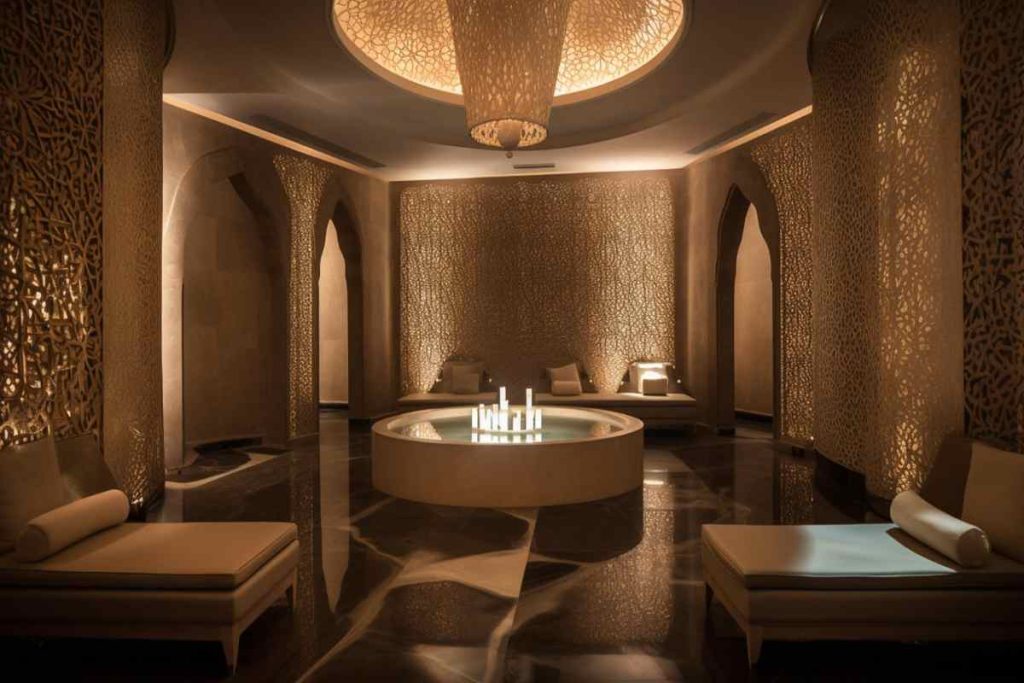
Turkish bath at home invites you to recreate the calm, cleansing ritual of a traditional hammam right in your own space. A hammam at home setup uses steam, comfortable humidity, and mild cleansing to open pores and ease tension. A well-planned routine combines heat, humidity, cleansing soap, and a soothing scrub to refresh skin and mood. By curating supplies and rituals—whether you use a kese and olive oil soap or simple gentle cleansers—you can tailor a Turkish bath to your schedule. From setting the ambiance to locking in moisture afterward, this at-home ritual supports relaxation, skin vitality, and a slower pace after a busy day.
A hammam-inspired routine at home anchors your day by blending steam, cleansing, and a moment of pause. Think of it as a home spa hammam concept: a steam-filled, mindful ritual that fits small bathrooms and busy schedules. For a flexible start, you can begin with a warm shower and gentle exfoliation, then expand into a deeper cleansing practice as time allows. The idea is to present practical steps that promote wellbeing without the need for a spa visit, making this approachable and sustainable.
Turkish Bath at Home: Creating a Hammam-Inspired Spa in Your Bathroom
Transforming a space into a Turkish bath at home begins with cultivating the right atmosphere. A humid bathroom or steam-friendly shower stall creates the heat and moisture that open pores and soften skin, while dim lighting and minimal clutter invite a spa mindset. With towels within reach, a bench or stool for comfortable rinsing, and a clean space that signals pause, you can slip into a hammam-inspired ritual without leaving your home. In this setup, the emphasis is on slow, deliberate movement, steady breath, and a sense of ritual as the body softens under heat and humidity.
To anchor the experience, consider calling the space a dedicated home spa hammam. This framing helps you align your routine with the core Hammam principles—heat, humidity, cleansing, and exfoliation—so the experience feels luxurious rather than hurried. By naming and shaping the environment this way, you set expectations for mindfulness, self-care, and a transformation that feels akin to a traditional hammam—even in a compact home bathroom.
DIY Turkish Bath Routine at Home: A Descriptive Walkthrough from Steam to Hydration
Begin with warmth and steam. Allow the bathroom to fill with gentle heat, sit or stand comfortably, and breathe slowly as the pores soften and surface debris loosens. If you’re using a shower, keep the water at a hot-but-safe temperature and aim for about ten minutes of steam. This initial phase mirrors the humid atmosphere of a traditional hammam and primes the skin for subsequent steps.
Next comes cleansing, exfoliation, and hydration in a repeatable sequence. Use a mild olive oil-based soap or traditional soap to cleanse with slow, circular motions, then move into exfoliation using a kese or soft glove. Scrub with light to moderate pressure, focusing on rough areas like elbows, knees, and heels before rinsing and sealing in moisture with a hydrating oil or body lotion. You can repeat the cleanse lightly and finish with a cool rinse to close the routine, much like the Turkish bath routine at home.
Essential Tools for a Hammam-Inspired Home Spa Hammam
For a true Hammam-inspired session, gather a few simple tools you may already have around the home. A kese or soft exfoliating glove, a mild olive oil-based soap, a plastic basin or jug for rinsing, and a small cup for pouring water are foundational. Add a hydrating oil or moisturizer to seal in moisture after exfoliation, and consider optional aromatics such as eucalyptus, mint, or lavender to elevate the steam and scent. Even without a dedicated hammam space, these items help recreate the feel of a spa Hammam at home and keep the ritual approachable.
If you don’t have a kese, a soft exfoliating glove or mitt works well in the same long, sweeping strokes toward the heart. The key is to scrub gently, concentrate on rough patches, and choose products that feel soothing rather than abrasive. DIY Turkish bath flavors your experience with personal touches, turning a routine bath into a luxurious home spa hammam that fits your preferences and schedule.
Turkish Bath Benefits at Home: Skin, Circulation, and Mindful Relaxation
A well-executed Turkish bath at home can offer tangible benefits, including improved skin texture from exfoliation, enhanced circulation from heat and movement, and temporary relief from muscle tension after a long day. The ritual also supports better breathing after steam and a mental reset from the deliberate pace. Regular practice tends to promote mindful self-care, making the routine a reliable tool for winding down and supporting a wellness-focused lifestyle.
Beyond surface improvements, the routine can foster a sense of control and rhythm, helping shift mood and energy toward calm evenings. While it’s not a substitute for medical treatments in some conditions, consistent use of a home hammam routine can contribute to ongoing skin wellbeing and a calmer, more balanced state of mind. turkish bath benefits often compound over time as you tailor heat, timing, and products to your skin’s needs.
Creating the Right Atmosphere: Environment, Aromatics, and Safety for a Home Spa Hammam
Set the stage with soft lighting, a touch of candles, and a gentle hum of steam to mimic the traditional hammam ambiance. A clean, clutter-free space helps you slip into the ritual more easily, while a humid atmosphere supports product absorption and pore opening. Aromatics such as eucalyptus, mint, or lavender—used sparingly—can heighten the steam experience and create a refreshing sensory layer that elevates the home spa hammam vibe.
Safety and comfort come first. If you have sensitive skin, test any essential oils on a small area first and consider omitting them if irritation occurs. Manage heat and duration to your tolerance, especially if you’re newer to steam routines. The idea is to maintain a tranquil, spa-like environment for a hammam at home—without risking skin irritation or discomfort.
Sustaining Your Routine: Maintenance, Personalization, and Longevity in a Turkish Bath at Home
To sustain the Turkish bath routine at home, keep tools clean and replace exfoliating gloves periodically. Use mild soaps and moisturizers that suit your skin type, and hydrate after exfoliation to prevent dryness. Personalization matters: swap in different soaps, adjust aromatics, or tailor the duration of warmth and exfoliation to your preferences. This attention to maintenance ensures the ritual remains enjoyable and effective over time.
Integrating the routine into your regular wellness plan helps it become a reliable cue to slow down and breathe. Pair the practice with hydration, balanced nutrition, and gentle movement to support overall wellbeing. With consistency, this Turkish bath at home ritual can evolve from a simple bath into a meaningful, sustainable wellness habit.
Frequently Asked Questions
What is a Turkish bath at home and what do I need to begin?
A Turkish bath at home recreates the Hammam ritual with heat, humidity, cleansing soap, and exfoliation. To start, gather a kese or soft exfoliating glove, a mild olive oil-based soap, warm water, a basin or jug, a towel, a hydrating moisturizer, optional aromatics (eucalyptus, mint, or lavender), and a timer to keep a mindful pace. If you don’t have a kese, a soft glove works too.
How can I set up a hammam-inspired space for a home spa hammam?
Create a warm, humid environment in your bathroom or steam shower. Dim lights or candles help with the mood, keep towels, a washable mat, and a small bench within reach. If you have a steam shower, you’re already close; aim for comfortable warmth and enough humidity to open pores and support product absorption.
What is the typical Turkish bath routine at home?
The routine unfolds in stages: warmth and steam, gentle cleansing, exfoliation with a kese, rinse, and hydration, followed by optional treatments and a cool-down. A practical sequence is about 10 minutes of steam, gentle cleansing with soap, exfoliation with light pressure, a thorough rinse, and applying oil or moisturizer while the skin is still slightly damp.
What are the turkish bath benefits of doing a Turkish bath at home?
Regular practice can improve skin texture, boost circulation, ease muscle tension, support clearer breathing after a steam session, and provide a mental reset through the ritual. It helps cultivate mindfulness and a sustainable self-care habit. Note: it’s not a substitute for professional treatment in some conditions; consult a professional if you have skin or respiratory concerns.
How should I exfoliate safely during a DIY Turkish bath?
Use a kese or glove with light to moderate pressure in long, sweeping strokes toward the heart, focusing on rough areas. Avoid aggressive scrubbing; rinse thoroughly after exfoliation, and moisturize while the skin is still damp to seal in hydration. If you’re new, practice gentle strokes until you find your rhythm.
What safety tips and aftercare should I follow for a hammam at home?
Keep the heat at a comfortable level and avoid open flames or hot surfaces. If you have skin sensitivities or breathing issues, adjust the steam duration and intensity. Hydrate well, clean and replace exfoliating tools, test essential oils on a small patch, and moisturize after exfoliation. If concerns persist, consult a dermatologist.
| Topic | Key Points |
|---|---|
| What is a Turkish bath at home? | A ritual blending heat, humidity, cleansing soap, and exfoliation to create spa-like benefits at home; can improve skin texture, relaxation, and provide a gentle reset. |
| Core elements | Heat, humidity, cleansing soap, and exfoliation; slow, mindful care; ritual and therapy. |
| Setting the scene | Humid bathroom or steam shower; comfortable warmth; dim lighting; towels, mat, and bench; focus on ritual and breath. |
| Tools and products | Kese or soft exfoliating glove; mild olive oil-based soap or traditional black soap; warm water, basin/jug, cup; hydrating oil or moisturizer; optional essential oils; timer. |
| Step-by-step routine | 1) Warmth/steam 2) Gentle cleansing 3) Exfoliation with kese 4) Rinse & rehydrate 5) Optional treatments/aromatics 6) Cool down and moisturize. |
| Home adaptations | Portable humidifier, warm towel rack, relaxed ambience; core sequence remains steam, cleanse, scrub, rinse, hydrate. |
| Benefits | Improved circulation, clearer skin, relief from muscle tension, better breathing, mental reset; mindfulness and self-care. |
| Maintenance & safety | Keep tools clean, replace exfoliating gloves, hydrate, avoid irritants after exfoliation; adjust steam level if sensitive; consult a professional if conditions apply. |
| Wellness routine integration | Weekly or bi-weekly ritual; pair with hydration, a balanced diet, and regular gentle exercise; builds habit and mood shift. |
Summary
Turkish bath at home, evinizin konforunda sakinleştirici ve arındırıcı bir hammam atmosferi yaratmanıza olanak tanır. Isı ve buhar ile gözenekleri açarken nazik temizleme ve özenli eksfoliasyonun birleştiği bu ritüel, cildi pürüzsüzleştirmeyi ve zihni rahatlatmayı hedefler; ritmik nefes egzersizleriyle beden ve zihin uyum içinde çalışır. Evde uygulanması, hijyen ve güvenlik kurallarına dikkat edildiğinde spa benzeri bir deneyim sunar. Düzenli uygulama kan dolaşımını iyileştirir, cilt dokusunu geliştirir, kas gerginliğini hafifletir ve ruh halini yükseltir; ayrıca günlük yaşamda mindfulness ve kendine bakım bilincini güçlendirir. Turkish bath at home fikri, kişisel bakımın alışkanlığa dönüşmesini sağlayarak yaşam tarzına sürdürülebilir bir sağlık odaklı katkı sunar.