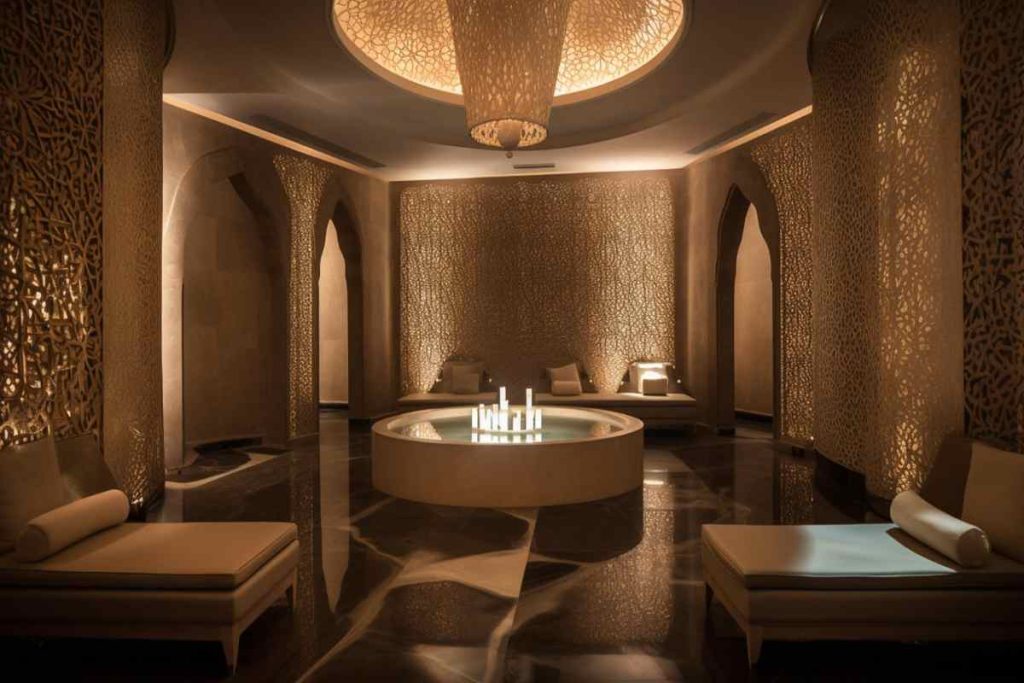
Turkish Bath experiences invite visitors into a layered ritual where architecture, heat, and water converge to tell a storied tradition. This hamam experience blends marble slabs, steamy rooms, and a sequence of cleansing steps that leave you refreshed, relaxed, and connected to centuries of Anatolian and Ottoman spa culture. As you explore this guide, you’ll learn what to expect, how to participate with respect, and how to get the most benefit from an authentic journey. The setting may range from opulent urban baths to intimate neighborhood spaces, yet the core ritual of warmth, cleansing, and quiet sociability remains a constant. With clear etiquette and mindful participation, a respectful visit can offer a refreshing gateway to wellness, ceremony, and centuries of shared tradition.
Beyond the phrase Turkish Bath, the concept is carried by hammam traditions—the steam-filled bathhouses where heat, water, and ritual prepare the body for cleansing and social connection. In many regions, the term hamam (or Turkish Hammam) signals a public bath guided by ceremonial steps, exfoliation, and fragrant soaps. The experience is as much about atmosphere and etiquette as it is about cleansing, offering a quiet space for reflection and community. These bathhouse rituals appear in both grand urban spas and intimate neighborhood facilities, each emphasizing warmth, privacy norms, and respectful interaction. Exploring the language of this practice—whether called a hammam, hamam, bathhouse ritual, or steam bath—helps travelers recognize the shared culture behind every smooth slate, steam, and suds.
What to Expect in a Traditional Turkish Bath: The Hamam Ritual
Entering a Turkish Bath unfolds as a ceremonial journey through space, heat, and ritual. From the moment you check in and wrap yourself in a pestemal, the sequence guides you through a calm, deliberate pace: warm rooms that ease you into the heat, a steamy central chamber, and a cleansing routine that culminates in a refreshing rinse. This hamam ritual is designed to balance sensory immersion with comfort, allowing you to feel both physically revived and mentally centered as the pores open and the breath slows.
The experience leans on architectural storytelling as much as on skincare. Marble slabs, domed ceilings, and tilework set a legacy of architectural mastery that frames the traditional hamam. As you move through the spaces, the experience becomes a cultural immersion, linking you to centuries of Anatolian and Ottoman spa heritage while you participate in a modern, health-oriented practice. In short, the Turkish Bath here is not just cleansing; it’s a culturally rich hamam experience that invites reflection and relaxation.
Hamam Etiquette Demystified: Respectful Practice in Turkish Baths
Respect for others and the space is the foundation of turkish bath etiquette. Before you immerse yourself, inquire about gender-specific sections, privacy policies, and any rules about clothing or coverings. Wearing a pestemal is common in shared areas, while some facilities permit swimsuits in certain services. Understanding these norms helps you participate with dignity and minimizes discomfort for everyone in the room.
Practicing mindful, quiet conversation, good hygiene, and discreet tipping when appropriate supports a positive atmosphere. Hydration, patience during the cleansing process, and clear communication with attendants about comfort levels are essential. By embracing these etiquette practices, you honor the tradition of the hamam while enjoying a respectful and restorative Turkish bath experience.
Navigating the Tepid and Hararet Rooms: The Heat Journey of a Turkish Hammam
The journey begins in the tepid or warm room, where you acclimate to the rising heat and humidity. This space is designed to ease you into the central ritual, giving your body time to adjust and your mind a moment of stillness. As the temperature climbs, you’ll begin to feel a gentle transformation—sweat gathers, muscles loosen, and a shared sense of calm settles over the participants.
Proceeding to the hararet, or calidarium, the heat intensifies and widens the scope for cleansing and relaxation. This core phase is where the skin becomes more receptive to exfoliation and massage, and where breath slows in tandem with the warmth. The Turkish Hammam experience reaches its moment of deeper cleansing here, with the environment intentionally crafted to promote openness, relaxation, and a mindful pause from daily stress.
Kese Scrub and Soap Massage: The Core of the Hamam Experience
A signature element of the Turkish bath is the kese exfoliation, a firm, gliding scrub that removes dead skin and stimulates circulation. The attendant’s skilled touch clears away buildup while preparing the skin for a subsequent soap massage. This dual action—exfoliation followed by cleansing—forms the heart of the hamam experience, transforming the skin surface and heightening sensory perception.
After the scrub, a fragrant soap massage nourishes the skin and relaxes the senses. The attendant’s rhythmic movements work soap into a luxurious lather, leaving the skin feeling refreshed and subtly scented. Optional add-ons—aromatherapy, scalp treatments, or a soothing massage—can deepen the experience, but even the basics deliver a restorative, spa-like renewal within the traditional hamam framework.
Choosing the Right Turkish Bath: Location, Cleanliness, and Privacy in a Traditional Hamam
Selecting a Turkish Bath involves weighing location, reputation, and cleanliness to ensure a trustworthy hamam experience. Proximity to your itinerary helps you fit the visit into a broader wellness day, while transparent hygiene standards and clear pricing build confidence. Whether you seek a historic, ceremonial setting or a modern, spa-like atmosphere, the right choice aligns with your comfort level and cultural interests in the traditional hamam.
Privacy policies, gender-separated areas, and service options are equally important. Some establishments emphasize complete traditional ritual, others offer contemporary conveniences. By comparing facilities on these dimensions—privacy, staff language support, and the range of treatments—you can select a Turkish Bath that matches your preferences and maximizes satisfaction within the broader context of turkish bath etiquette and hamam philosophy.
First-Timer Tips for a Smooth Turkish Bath Visit
For first-time visitors, preparation and pacing are key. Hydrate before and after the session, communicate comfort levels clearly, and start with a gentler scrub to ease into the process. The experience can be transformative, so approaching it with curiosity and a willingness to slow down helps you absorb the full benefits of the hamam.
Pack light, wear the recommended coverings, and respect institutional norms. A pestemal, sandals, and a basic understanding of the etiquette will simplify your visit and reduce any anxiety. Embrace the ritual as a holistic practice—body, breath, and mood—so the Turkish bath experience becomes a sustainable addition to your wellness routine.
Frequently Asked Questions
What is a Turkish Bath and what can I expect from a hamam experience?
A Turkish Bath, or hamam, is a historic cleansing ritual that guides you through a sequence of warm rooms, steam, exfoliation with a kese, a soap massage, and a final rinse. In a typical hamam experience you’ll move from a cool check-in to a tepid room, then a hot room before the scrub, massage, and relaxation. You’ll usually wear a pestemal and follow local turkish bath etiquette to respect others and the space.
How does a traditional hamam differ from a modern Turkish Bath in architecture and etiquette?
A traditional hamam emphasizes domed ceilings, tilework, and a ceremonial sequence that honors long-standing customs, while a modern Turkish Bath often blends spa amenities and private spaces. The core steps—acclimation, scrub with kese, soap massage, rinse—remain, but privacy policies and services can vary. Knowing turkish bath etiquette helps visitors participate respectfully.
What should I wear and bring to a Turkish Bath according to turkish bath etiquette?
In most Turkish Baths you’ll wear a pestemal—a lightweight cotton towel—plus sandals; some venues offer robes. In gender-segregated traditional hamams you may be asked to disrobe in a private area, so check the policy in advance. Bring minimal toiletries and follow the house rules to protect the facilities.
Is it safe for first-timers to try a hamam experience, and how should I pace my Turkish Bath ritual?
Yes, with sensible pacing. Start slowly, hydrate before and after, and tell the attendant if you feel dizzy or overheated. Take breaks in cooler spaces, and let the ritual unfold at a comfortable pace rather than rushing through the steps.
What are the health and wellness benefits of a Turkish Bath, and how does a hamam experience support relaxation?
A Turkish Bath can improve circulation, relieve muscle tension, reduce stress, and improve skin softness. The hamam experience also promotes mindfulness through a slow, ceremonial pace and quiet spaces, leaving you refreshed for days.
How do I choose the right Turkish Bath or traditional hamam for my visit?
Look for cleanliness, clear pricing, and transparent privacy policies; decide between traditional hamam ambiance and modern Turkish Bath comforts; read reviews and ask about gender policy and etiquette to ensure a respectful, comfortable experience.
| Topic | Key Points |
|---|---|
| What is a Turkish Bath? | A hamam culture blending architecture, heat, water, and social ritual; cleansing as a doorway to centuries of Anatolian/Ottoman spa culture; aims to refresh, relax, and connect with history. |
| Terminology | Hamam/hammam; Turkish bath as a general label; focus on authentic ritual, social context, privacy, and practical steps for safe, enjoyable visits. |
| History | Rooted in Roman baths; developed in Muslim/Ottoman contexts; domed ceilings, intricate tilework, temperature-controlled rooms; modern hamams balance tradition with privacy and comfort. |
| What to Expect | Sequence of spaces and actions: entry, tepid warm room, hot room, kese exfoliation, soap massage, rinse, and relaxation; privacy policies vary; first-timers may find it transformative. |
| Etiquette & Cultural Context | Check policies on gender separation and nudity; wear a pestemal or swimsuit as appropriate; maintain hygiene; tipping etiquette; respect privacy and speak softly. |
| The Ritual Sequence | Arrival and acclimation; warm room; cleansing with kese; soap massage; rinse; cool-down and relaxation. |
| Heat, Hydration, & Skin Health | Balance heat with comfort; hydrate; avoid dehydration; communicate sensitivities; exfoliation aids skin health but may be intense for sensitive skin. |
| Benefits | Improved circulation, reduced muscle tension, stress relief, softer skin, mindfulness, a sense of community, potential better sleep. |
| Choosing a Turkish Bath | Consider location, cleanliness, services/pricing, privacy policies, cultural context, and prep/packing needs. |
| What to Wear & Bring | Pestemal; sandals; some places provide robes; verify nudity vs. swimsuit rules and privacy expectations. |
| First-Timer Tips | Hydrate, communicate comfort level, start slow, embrace the ritual, and respect the space; ask staff for guidance. |