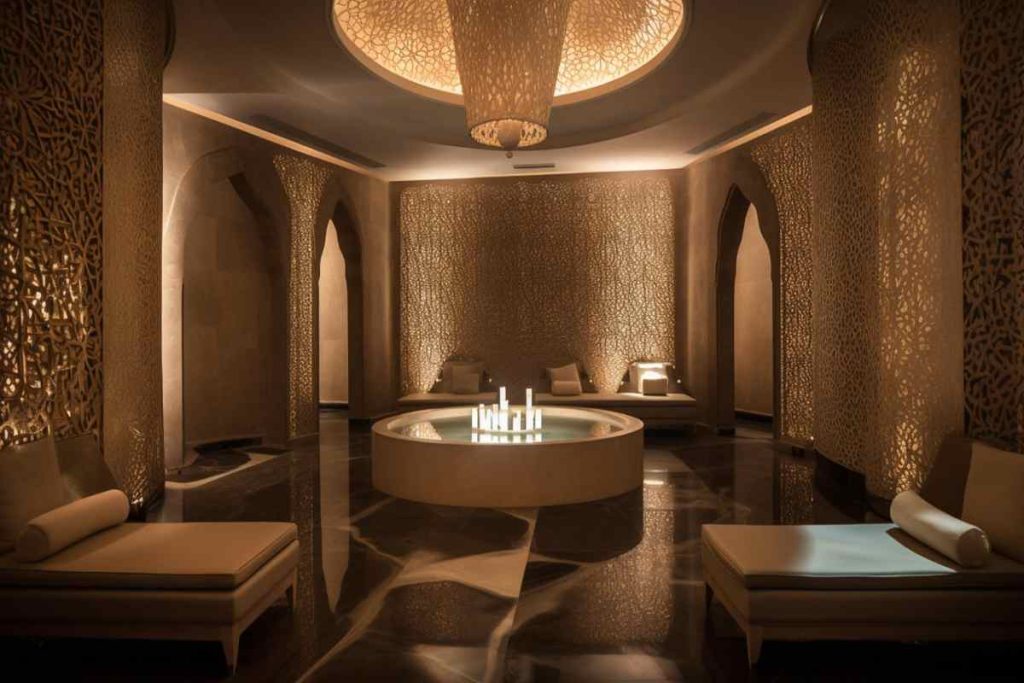
Sustainable Turkish Baths are redefining a centuries-old tradition by weaving timeless rituals with modern ecological responsibility, inviting guests to experience warmth, ritual cleansing, and environmental mindfulness in equal measure. From traditional steam rooms to modern sustainable design, these spaces celebrate wellness while prioritizing eco-friendly hammams, regenerative energy strategies, and thoughtful material choices that reduce embodied carbon. By embracing sustainability in Turkish baths, operators balance comfort, cleansing rituals, and resource stewardship to reduce waste, protect local ecosystems, and conserve energy for future generations, while preserving accessibility and cultural inclusivity for all visitors. Key strategies include smart temperature controls, water-savvy fixtures, breathable natural materials, climate-responsive architecture, and data-driven maintenance that reduces energy and supports water conservation in hammams. As a result, guests experience the warmth of the bath while witnessing how green energy Turkish baths and traditional Turkish bath sustainability coexist to support long-term cultural heritage without compromising sensory richness, and visitors leave inspired to advocate responsible travel choices.
Viewed through the lens of sustainable hospitality, these bathhouses can be described as eco-conscious spa spaces that honor centuries-old rituals while adopting responsible technology and materials. Other terms—heritage-inspired hammam sanctuaries, green wellness centers, or water-wise spa environments—reflect the same core idea from different angles. Using Latent Semantic Indexing principles, the article aligns related concepts such as energy efficiency, renewable energy integration, climate-responsive design, and water stewardship to broaden the reader’s perspective on eco-friendly wellness architecture.
Sustainable Turkish Baths: Blending Tradition with Modern Green Design
Sustainable Turkish Baths fuse ancient cleansing rituals with forward-thinking, energy-conscious architecture. This approach preserves the sensory warmth, diffuse steam, and intimate social rituals that define hammams while reducing resource use through thoughtful design, durable materials, and smart controls. By integrating eco-friendly practices into the fabric of the bathhouse, operators can offer a richer experience that respects both culture and ecology.
Design choices such as high thermal mass, natural stone, lime plaster, and well‑insulated arches help regulate humidity and temperature with minimal energy input. Automated sensors and smart climate management ensure that heating, ventilation, and humidity are dialed in precisely, lowering waste during off‑peak hours. This is traditional Turkish bath sustainability realized through responsible engineering rather than a departure from heritage.
Eco-friendly Hammams: Design, Materials, and Operations
Eco-friendly hammams marry timeless aesthetics with sustainable practices that protect indoor air quality and reduce environmental impact. Selecting natural materials, breathable mortars, and finishes with low VOCs helps maintain a clean, healthy environment for bathers and staff, reinforcing the link between comfort and stewardship.
Architectural strategies such as clerestory windows, efficient ventilation, and heat recovery systems keep spaces comfortable without excessive energy demand. Some facilities reuse waste heat from boilers or CHP systems to preheat incoming air, creating a calm, spa-like atmosphere that embodies eco‑smart luxury while honoring traditional forms.
Water Conservation in Hammams: Innovative Strategies for Rituals
Water is central to hammam rituals, yet sustainable Turkish baths embrace stewardship by optimizing supply and reuse. Efficient fixtures and smart controls reduce the volume of water used per bath, rinse, or scrub, while occupancy scheduling aligns consumption with demand.
Closed‑loop or recirculating systems minimize freshwater withdrawal when safe and appropriate, and greywater management enables reuse for non‑potable applications such as landscaping or communal spaces. Travelers and hosts alike benefit from a refined cleansing experience that respects local water resources and supports sustainable tourism.
Green Energy Turkish Baths: Renewable Integration for Heat and Steam
Green energy Turkish baths are increasingly common as operators recognize long‑term savings and environmental benefits. Solar thermal panels can preheat water or space heating, while geothermal loops and high‑efficiency heat pumps stabilize indoor climates with minimal energy input.
Renewable integration brings resilience alongside reduced emissions: a hammam powered partly by sun or geothermal energy is less exposed to fuel price swings and supply disruptions. This evolution sustains the signature warmth and steam, blending traditional rituals with modern, sustainable power sources.
Materials, Air Quality, and the Indoor Environment in Eco-friendly Hammams
Sustainable practice begins with the air bathers breathe. Non‑toxic finishes, natural stone, and lime plasters help minimize VOCs and regulate humidity, contributing to a healthier indoor environment. Daylighting and thoughtful ventilation reduce mold risk while supporting a serene, hygge‑inspired ambiance.
Effective air exchange, controlled humidity, and robust drainage systems support hygiene without relying on heavy energy use. In practice, this means balancing quiet, indirect lighting with natural materials to enhance the sensory experience of steam, warmth, and scent while keeping the facility energy‑wise efficient.
Traditional Turkish Bath Sustainability: Honoring Heritage While Modernizing
The most compelling sustainable hammams honor Turkish bath heritage while embracing responsible modernization. Traditional techniques—such as slaked lime plastering, Venik room heating, and skilled craftsmanship—can be retained or adapted to improve efficiency without erasing history.
This traditional Turkish bath sustainability approach is an evolution that protects cultural identity while reducing environmental impact. By collaborating with craftspeople, engineers, and historians, operators can create hybrid models that preserve rituals and aesthetics while advancing energy efficiency, water stewardship, and sustainable procurement.
Frequently Asked Questions
What makes Sustainable Turkish Baths different from traditional hammams?
Sustainable Turkish Baths blend age‑old rituals with modern ecological responsibility. They embrace eco-friendly hammams practices and sustainability in Turkish baths by using durable natural materials, better insulation, and smart controls to reduce energy use and waste while preserving warmth, humidity, and the social cleansing rituals.
How do eco-friendly hammams achieve water conservation in hammams?
They use efficient water fixtures, occupancy‑based controls, and options for closed‑loop or greywater reuse to minimize freshwater use. Water conservation in hammams is supported by safe reuse for non‑potable uses and careful scheduling, all without compromising the ritual experience.
What design and operational strategies drive sustainability in Turkish baths?
Key strategies include durable natural materials, humidity and temperature control, heat recovery, insulation, and low‑emission heating. These align with sustainability in Turkish baths by maintaining the authentic atmosphere while reducing energy and resource use.
How do green energy Turkish baths integrate renewables while preserving tradition?
Renewable options such as solar thermal preheating, geothermal loops, heat pumps, and high‑efficiency boilers reduce fossil fuel use. Green energy Turkish baths provide resilient performance, keeping warmth and steam intact while supporting traditional Turkish bath sustainability.
What should travelers look for to identify eco-friendly hammams and Sustainable Turkish Baths when visiting?
Look for clear statements on water and energy management, visible renewable tech or efficient equipment, low‑flow fixtures, and third‑party sustainability certifications. These signs reflect eco-friendly hammams and the principles of traditional Turkish bath sustainability.
How do materials and indoor air quality affect traditional Turkish bath sustainability?
Non-toxic finishes, natural stone, lime plaster, and good ventilation support healthier indoor air and humidity control, while lowering VOCs. Daylighting and proper drainage reinforce hygiene and comfort, aligning with sustainable practices in Turkish baths and eco-friendly hammams.
| Aspect | Key Points | Practices / Examples | Sustainability Benefit |
|---|---|---|---|
| What makes a Turkish bath sustainable? | Design decisions to reduce energy and resource use while preserving comfort and hygiene | Durable natural materials; regulate humidity and temperature; optimize thermal mass; efficient heating; insulation; automated controls and smart sensors | Less waste; lower energy use; longer product life; preserved ambience |
| Eco-friendly hammams: design, materials, and operations | Materials and features that support healthy indoor air and comfort | Natural stone, lime plaster, breathable mortars; low-VOC finishes; clerestory windows; efficient ventilation; heat recovery; waste heat reuse | Improved indoor air quality; energy efficiency; durable, low-toxicity environments |
| Water conservation in hammams | Strategies to minimize freshwater use while preserving ritual quality | Efficient fixtures; closed-loop or recirculating systems; greywater management and reuse; seasonal scheduling; occupancy management | Reduces water withdrawal; protects local resources; supports responsible tourism |
| Green energy Turkish baths and renewable integration | Adoption of renewable energy to reduce fossil fuel dependence | Solar thermal panels; geothermal loops; heat pumps; CHP; high-efficiency boilers | Lower emissions; energy resilience; long-term cost savings |
| Materials, air quality, and indoor environment | Non-toxic finishes and humidity/ventilation strategies | Natural stone; lime plasters; low-VOC finishes; daylighting; ventilation; drainage | Healthier spaces; better comfort; reduced energy needs |
| Traditional Turkish bath sustainability: heritage and modernization | Preserve cultural rituals while embracing responsible modernization | Slaked lime plastering; Venik heating; handcrafted elements; sustainable procurement; hybrid models | Cultural identity preserved; efficiency gains without erasing history |
| Case studies and real-world applications | Show practical applicability across regions | Solar-assisted heating; graywater recycling; local materials; low-carbon construction; responsible waste management | Demonstrates viability; lowers environmental footprint; supports brand reputation |
| How to visit and what to look for as a guest | Travelers can assess sustainability practices | Water/energy management statements; renewable energy usage; water-saving devices; certifications | Promotes responsible tourism and informed choices |
| Practical tips for operators and designers | Adopt a holistic sustainability plan and measurable targets | Energy-efficient systems; water management; local, low-VOC materials; air quality; maintenance schedules; reporting | Enhances performance; reduces costs; supports ecological stewardship |
Summary
Sustainable Turkish Baths demonstrate how culture and ecology can coexist harmoniously. They show that eco-friendly hammams honor centuries-old rituals while embracing responsible energy use, water stewardship, and waste minimization. As more facilities adopt green practices, these spaces preserve heritage while offering welcoming, hygienic experiences with a lighter environmental footprint. The path forward blends renewable energy, efficient systems, responsible materials, and a culture of stewardship, inviting guests to reconnect with wellness in a timeless, sustainable setting.