
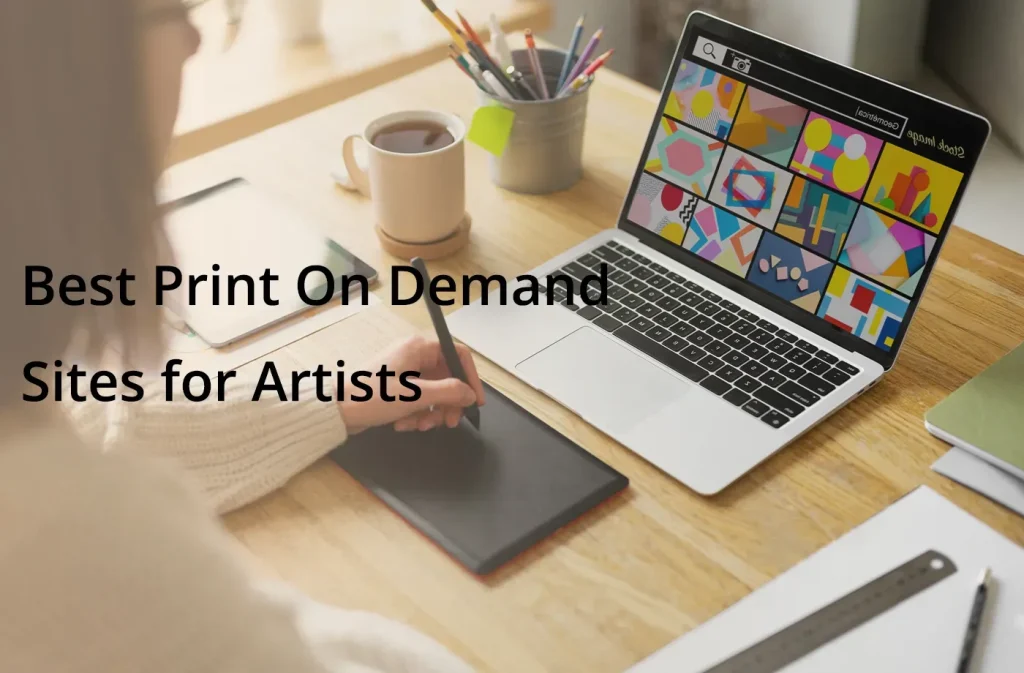
For many artists, print on demand for creatives is more than a printing service—it’s a scalable, low-risk business model that turns digital art into physical products without inventory headaches. It enables artists to monetize work while embracing the flexibility of a modern fulfillment framework. This approach minimizes risk by removing upfront inventory and supports rapid testing across wall art, apparel, and home goods through on-demand art printing. A strong POD partner handles production and fulfillment, allowing you to focus on design, branding, and storytelling. Smart strategy combines high-quality artwork with SEO-friendly product descriptions to build sustainable growth for your creative output.
Viewed through an LSI lens, the concept maps to a digital-to-physical fulfillment model that turns art into merch as orders arrive. It’s a scalable production framework where creators maintain control of designs while partners handle printing, packaging, and distribution. This framing aligns with related ideas like inventory-light business models, turnkey storefronts, and platform-enabled fulfillment that reach buyers worldwide.
print on demand for creatives: understanding a low-risk path to monetize your art
print on demand for creatives unlocks a scalable, low-risk way to monetize digital art. Rather than managing inventory, you publish designs and partner with a printer who produces items only after a customer places an order. This model suits artists, illustrators, photographers, and designers who want to test ideas across wall art, apparel, mugs, and more without upfront manufacturing costs.
Because products are created on demand, you can experiment with formats, sizes, and pricing while keeping risk minimal. It enables a global storefront where customers anywhere can buy, and it supports building an art-based product line by validating demand before scaling production. This approach also aligns with on-demand art printing, letting you iterate quickly while staying focused on your core art.
from artwork to market: building an art-based product line with POD
Turning art into a market-ready product line begins with selecting formats that showcase your style and align with how buyers want to display your work. An art-based product line built with POD can include prints, apparel, mugs, and journals that share a cohesive visual language.
Think in small, scalable collections and aim for custom art print products that customers can collect or mix-and-match. Starting with a focused core and expanding later helps you test demand while maintaining brand coherence.
choosing the right POD partner for consistent color and quality
Selecting a POD partner is a design decision as important as your artwork. Look for robust color management, high-fidelity proofs, predictable production times, and transparent base costs so you can price confidently.
Your partnership should support a seamless storefront integration and dependable fulfillment across formats. For creatives, this decision also signals how consistently your art will look in prints, posters, canvases, and apparel—a key factor in the POD for creatives mindset.
strategic product selection and listing optimization for custom art print products
Define a focused set of offerings that balance demand with margins—high-margin prints, canvas wraps, apparel, mugs, and notebooks that fit your art and audience. Custom art print products should form the core of your catalog to maximize impact and profitability.
Craft SEO-friendly product descriptions and descriptive titles, and present compelling mockups and lifestyle images. Use focus keywords and related terms to signal relevance and help buyers find your art through search.
scaling globally with on-demand art printing and global reach
To reach a worldwide audience, partner with POD services that support international shipping, local currency options, and reliable international fulfillment. This on-demand art printing approach enables you to serve fans across continents without maintaining stock.
Develop a scalable catalog across formats and price points, and consider marketplaces or your own storefront to deliver a smooth customer experience. The result is a truly global, low-risk growth engine for your art.
marketing, licensing, and long-term growth for artists with a cohesive brand
A long-term strategy blends storytelling, licensing considerations, and consistent branding to sustain growth. Clear rights management protects your designs as you expand into new products, and it supports collaborations without risk. For many creators, a print on demand for artists mindset keeps licensing clear while you scale.
Invest in a cohesive art-based product line, nurture relationships with fans through content marketing and email outreach, and maintain a steady cadence of new drops. When branding stays tight and production remains reliable, you can grow a durable business that respects your creative voice.
Frequently Asked Questions
What is print on demand for creatives and why is it beneficial for artists?
Print on demand for creatives is a fulfillment model where your art is printed only after an order is placed. There’s no upfront inventory, which reduces risk and enables a scalable art-based product line. It’s ideal for artists, illustrators, and designers who want to test formats and reach a global audience while focusing on design and branding.
How can I start a print on demand for creatives business?
Begin by defining a focused product strategy that maps your core artwork to a few high-impact formats (wall art, apparel, mugs). Prepare high-resolution assets (300 DPI) and confirm licensing rights. Choose a reliable POD partner, set up your storefront, and create SEO-friendly listings that emphasize the print on demand for creatives approach.
Which products are best for custom art print products within a POD for creatives strategy?
Start with high-margin, scalable items like art prints (gloss, matte, canvas), posters, apparel, and accessories such as mugs or notebooks. These formats align well with on-demand production and make it easy to test-market your art. You can expand later to home decor and bundles as demand grows.
How can I ensure color accuracy in on-demand art printing for my work?
Use color-managed workflows and calibrate your monitor. Request proofs for each product type from your POD partner and compare proofs with printed outputs. Regular testing helps maintain color fidelity across displays and finished products.
What pricing strategies work best for a print on demand for creatives business?
Price based on total landed cost (production plus shipping) and your target margin. Use bundles and tiered pricing for larger formats to increase average order value. Seasonal promotions and clear licensing terms can help protect revenue while staying competitive.
What marketing tactics boost visibility for print on demand for creatives and your art-based product line?
Invest in SEO-optimized product descriptions and content that spotlight themes and processes. Use social storytelling on platforms like Instagram and TikTok, build an email list for drops and exclusives, and explore collaborations to expand reach. Align messaging with keywords like print on demand for creatives and art-based product line to attract organic traffic.
| Key Area | Summary of Key Points |
|---|---|
| What is print on demand for creatives? | Print on demand for creatives is a fulfillment model where your art is printed only when a customer places an order. You design, upload your artwork, and select products (posters, canvases, apparel, mugs, notebooks, phone cases, and more). A POD partner handles printing, packing, and shipping directly to customers, while you handle design, product strategy, and marketing. This model minimizes risk because there’s no inventory and no unsold stock to store or discount. It also enables rapid experimentation with product types, pricing, and branding. |
| Why this matters for artists and designers? | For creatives who want to turn passion into a business, POD offers several advantages: – Low up-front costs: Start with digital designs and a few product samples—no need to buy large runs of products. – Flexibility to test: Try different formats, sizes, and themes to see what resonates with your audience. – Global reach: Customers around the world can purchase your work without geographic constraints. – Built-in scalability: When demand grows, your POD partner handles production and fulfillment at scale. – Focus on creativity: You can concentrate on art and branding while outsourcing the logistics to experts. |
| Getting started: a practical roadmap | 1) Define your product strategy 2) Prepare your art assets 3) Choose products wisely 4) Pick a reliable POD partner 5) Set up your storefront and listings 6) Price strategically 7) Market and brand your product line |
| Product ideas for your printed product line | – Wall art and framed prints: Posters, canvas wraps, and gallery wraps that suit modern interiors. – Apparel: T-shirts, hoodies, and tote bags featuring striking designs. – Home and office goods: Mugs, notebooks, greeting cards, and phone cases with artistic motifs. – Limited editions: Signed prints or numbered runs to create scarcity and value. – Themed collections: Seasonal art drops or collaborative series with other creators. |
| Design and production considerations | – Color management: Calibrate monitors and proof colors on the selected product type to maintain faithful reproduction. – Resolution and bleed: Ensure artwork includes sufficient resolution and bleed for edge-to-edge printing while avoiding cropping important details. – Product-specific constraints: Some materials have size or aspect limitations, so adapt your design accordingly. – Licensing and rights: Use original art or secure licenses; avoid copyright risks with derivative works. – Packaging and presentation: Invest in attractive packaging and include a small printed note about the artist to enhance perceived value. |
| Pricing, margins, and profit optimization | – Base costs and shipping: Assess the total landed cost, including shipping to customers, to avoid eroding margins. – Tiered pricing: Offer bundles such as a print + postcard set or a mini collection at a discount to encourage higher order value. – Seasonal promotions: Align launches with holidays or art-focused events to boost visibility. – Rights and licensing: Protect your revenue by setting clear terms for print runs and digital usage. – Upselling and cross-selling: Recommend complementary items on product pages to increase cart size. |
| Marketing strategy for a successful POD art business | – SEO and content marketing: Create blog posts and guides around your art themes, materials, and processes. Use focus keyword optimization for print on demand for creatives and related terms to capture search traffic. – Social media storytelling: Share your artistic process, color explorations, and the journey from concept to product. Use platforms that support visual content, like Instagram and TikTok, to showcase your designs. – Email marketing: Build a newsletter to announce new drops, limited editions, and exclusive discounts. Provide behind-the-scenes content to deepen reader connection. – Collaborations and partnerships: Team up with other creatives or brands to reach new audiences. Limited-edition collaborations can generate buzz and credibility. – Platform optimization: If you’re selling on marketplaces, tailor listings with keyword-rich titles, descriptions, and images that reflect your art’s unique voice. |
| Common challenges and practical solutions | – Color fidelity gaps: Use proofs and color-managed workflows; choose POD partners with strong color guarantees and test prints. – Long fulfillment times: Select partners with reliable shipping and offer expedited options when available. – Copyright and licensing: Keep meticulous records of permissions and always use original art or properly licensed designs. – Competition and price pressure: Differentiate with a strong brand story, limited editions, and bundle offers to maintain perceived value. – Inventory anxiety remains low, but building a catalog helps improve discoverability and seasonality across your shop. |
| Case study: a fictional artist’s path to a successful art-based product line | A digital illustrator named Lila started with a single portrait series and a dream of turning it into a product line. She partnered with a reputable POD provider, created a small collection of poster prints and a couple of apparel designs, and launched on a niche platform. By focusing on cohesive branding and high-quality proofs, she grew her audience through Instagram and a weekly art newsletter. Lila tested various price points and introduced limited-edition signed prints to drive demand. Within six months, she expanded to home goods and opened a Shopify store, using SEO-powered product descriptions and a regular content cadence to sustain traffic. Her story demonstrates how print on demand for creatives can scale from art into a robust product line without inventory risk, while keeping the focus on the art’s voice and storytelling. |
| Why a strong product line helps you grow as a creative | A well-curated art-based product line communicates your unique vision to a wider audience. It also reduces dependency on one product type, spreading revenue across multiple formats. For many creatives, the ability to adapt designs to wall art, apparel, and home goods means you can explore different price points, test new concepts quickly, and fine-tune your branding. Print on demand for creatives makes this possible by aligning artistic output with efficient production and logistics. |