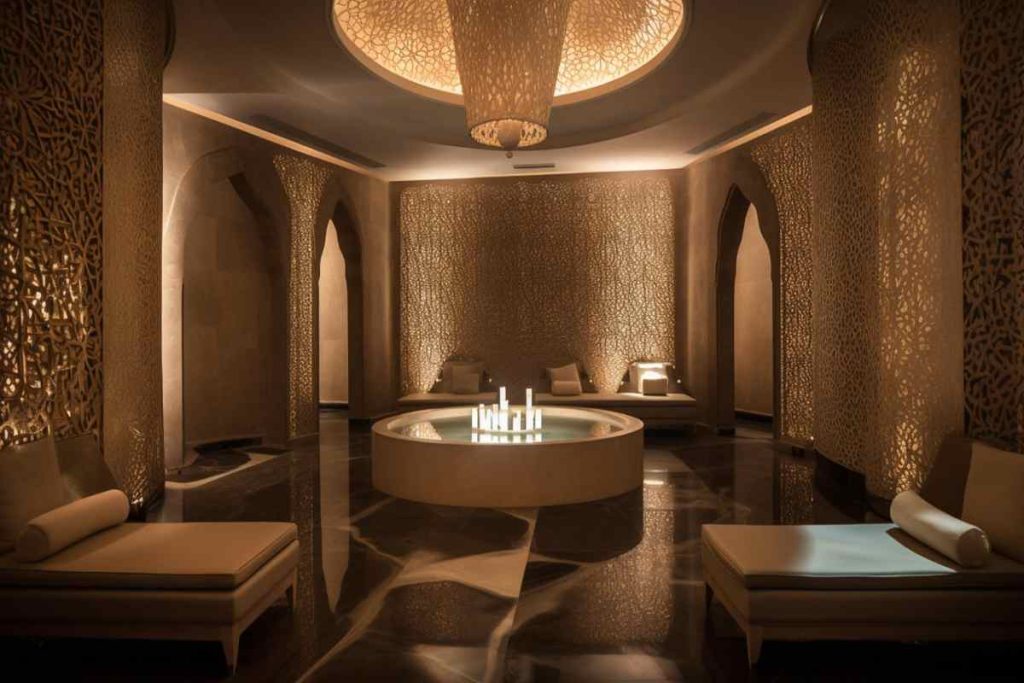
The hammam, often described as a Turkish bath, invites you into a steam-washed space where history and heat mingle. In this guide, hammam rituals are explained alongside how they stack up against private wellness traditions, including Turkish bath vs spa comparisons, clarifying the difference between hammam and spa. Historically, bathhouses with domed ceilings and marble corridors anchored communities. The ritual sequence of warm rooms, hot rooms, and cleansing steps highlights atmosphere, hammam etiquette, and mindful cleansing. Whether you encounter a historic bathhouse setting or a modern facility, the experience invites respectful participation.
Beyond the term hammam, you might describe the experience as a historic bathhouse ritual, a steam bath tradition, or a public bath culture. Other close terms such as bathhouse ritual, steam room sequence, and cleansing ceremony signal related ideas to readers and search engines. In practice, the experience unfolds as a journey through warm and hot rooms, exfoliation, and sometimes massage, aligning with latent semantic indexing principles. These semantically related terms help build a topic cluster around hammam without keyword stuffing. Framed as a cultural wellness ritual rather than a private spa treatment, the bathhouse experience highlights history, community, and mindful self-care.
1. The Essence of the Hammam: From Historic Hammam Roots to Modern Wellness
A hammam, often described as a Turkish bath, is more than a spa treatment. It is a ritual space where history, architecture, and communal cleansing come together to create a distinctive wellness journey. Unlike a quick private spa visit, the hammam emphasizes a sequence of spaces, social warmth, and a shared sense of purification. This fusion of culture and care is at the heart of why many travelers compare the Turkish bath experience to broader wellness traditions.
The term historic hammam evokes centuries of design and ritual that shaped neighborhoods and daily life. Its architectural language—domed ceilings, marble and tile, and carefully curated heat—guides visitors through a multi-stage cleansing that goes beyond surface scrubbing. In this light, the hammam stands as much for social connection as for skincare, offering a living link between past and present in the broader landscape of holistic wellness.
2. Hammam Rituals Unfold: The Sequential Path of Warmth, Steam, Scrub, and Renewal
Hammam rituals unfold in a deliberate sequence that centers ritual over routine beauty. Starting with arrival and acclimation, guests move through a warm room to begin the body’s gentle transformation, then into a hotter space for intensified perspiration. This progression is designed to prime the skin for cleansing and exfoliation, creating a rhythm that feels almost ceremonial rather than merely functional.
Exfoliation with a kese, rinsing with warm water, and optional massage complete the core cycle of the hammam rituals. Each stage builds on the last, encouraging relaxation, skin renewal, and a refreshed sense of well-being. Across regions, attendants guide guests through the steps, ensuring comfort and safety while preserving the ritual’s timeless cadence.
3. Architecture and Atmosphere: The Design Language of the Hammam Experience
The hammam’s architectural language is immediately recognizable: domed ceilings, intricate tilework, and intimate chambers that gradually increase in heat. Historic hammams leverage centuries-old craft to create a sensory journey where temperature, humidity, and material texture work in harmony. The design is not merely decorative; it choreographs the body’s response to heat and steam, amplifying the cleansing ritual.
This design contrast often becomes the deciding factor when comparing Turkish bath vs spa experiences. While many modern spas prioritize private rooms and high-tech treatments, the hammam’s shared spaces and adaptive acoustics invite communal presence. The result is a timeless ambiance that combines architectural drama with a tranquil, almost meditative, pace.
4. Hammam Etiquette and Hygiene: Respectful Practice in a Cultural Bathhouse
Hammam etiquette is essential to a positive, respectful experience. Practitioners expect modesty or modest dress depending on local custom, and guests should remove jewelry to avoid snagging during exfoliation. Speaking softly and following staff guidance helps maintain a calm, ceremonial atmosphere that honors others sharing the space.
Hygiene and safety are equally important. Hydration, clear communication about temperature tolerance, and pacing the session are practical steps that protect guests and attendants alike. By adhering to hammam etiquette, visitors contribute to a respectful cultural exchange that keeps this timeless tradition welcoming for everyone.
5. Health, Benefits, and Wellness: The Multilayered Benefits of a Hammam
Beyond cleansing, the hammam offers notable wellness benefits. Exfoliation improves skin texture and circulation, while controlled heat can promote relaxation, reduce muscle tension, and support lymphatic flow. The steamy environment also fosters freer breathing for some visitors, contributing to a sense of environmental detoxification as the body adjusts through the chambers.
The social and ceremonial dimensions of the hammam add another layer to well-being, reducing stress and enhancing mood through communal interaction. When people compare the hammam to other wellness approaches, the enduring benefits appear as much about connection and routine as about physical cleansing, echoing the longer history summarized in phrases like historic hammam.
6. Choosing Your Hammam: Historic Venues, Modern Centers, and Travel Tips
Choosing between historic hammams and modern centers allows you to tailor the experience to your preferences. Historic venues offer architectural grandeur and a deep sense of place, while modern hammams often provide streamlined services with broader therapy options. Consider the locale, language availability, and whether you value a more communal or private experience when selecting a destination.
When planning travel or a city visit, look for facilities that maintain clear hygiene standards and transparent ritual pathways. If you’re curious about the broader cultural context, comparing experiences through terms like Turkish bath vs spa or difference between hammam and spa can help set expectations. Regardless of venue, a mindful approach—respectful etiquette, adequate time, and readiness for heat—ensures you’ll enjoy the unique rhythm of a hammam.
Frequently Asked Questions
What is a hammam and how does it compare to a Turkish bath vs spa experience?
A hammam is a traditional bathhouse built around a sequence of warm-to-hot spaces that guide a cleansing ritual. Compared with a Turkish bath vs spa, the hammam emphasizes historic architecture, multi-chamber ritual, and communal social space, while a typical spa focuses on private, on-demand treatments in quiet rooms. In practice, hammams offer a ceremonial journey rather than a single treatment, and you’ll likely share the space with others as you move through the process.
What are the core hammam rituals and in what order do they typically occur?
A hammam ritual follows a deliberate progression: arrival and acclimation, warm room immersion, steam in the hot room, exfoliation with a kese and traditional soap, rinsing and optional massage, then a final rinse and quiet relaxation. Attendants guide you through the steps to ensure comfort and safety, with tools like kese and sabun commonly used to cleanse and exfoliate.
What is hammam etiquette and how should a first-time visitor prepare?
Hammam etiquette centers on modesty, respect, and following local customs. Dress modestly or use towels as instructed, remove valuables and jewelry, inform staff about sensitivities or heat tolerance, hydrate before and after, and move slowly through the spaces. Speak softly, ask staff about any gendered areas or area-specific rules, and tip attendants where appropriate.
What is the difference between hammam and spa in terms of environment and experience?
The hammam environment leans toward historic, architecturally rich spaces with a ritual, communal atmosphere and a sequence of rooms. Spas typically prioritize privacy, private treatment rooms, and individualized services. The experience differs in pacing, social dimension, and the sense of participating in a cultural ritual versus pursuing a private relaxation treatment.
What makes a historic hammam distinct from a modern hammam?
A historic hammam is housed in centuries-old bathhouses with architectural features like domed ceilings, marble and mosaic spaces, and a deep cultural legacy. A modern hammam preserves the ritual elements—warmth, steam, exfoliation and cleansing—but utilizes contemporary facilities and often offers a broader range of therapies. Both share the core ritual, but the setting and atmosphere differ.
What are the health and wellness benefits of hammam rituals?
Hammam rituals support skin exfoliation, improved texture, and better absorption of oils. The heat and steam promote relaxation, reduce muscle tension, and may aid lymphatic flow and breathing comfort. The communal and ceremonial aspects also contribute to stress reduction and a sense of connected well-being.
| Topic | Key Points |
|---|---|
| What is a Hammam? | A traditional bathhouse guiding visitors through a sequence of warm to hot spaces, culminating in a cleansing ritual; architecture features domed ceilings, tilework, and humid air; emphasizes ritual and social space. |
| Core Components | Warm room for acclimation, hot room for sweating, and a cleansing stage using traditional tools and soaps; an attendant guides comfort and safety; designed for skin exfoliation and overall wellness. |
| Rituals and Process | Six-stage arc: arrival and acclimation; warm room immersion; steam and cleansing in the hot room; exfoliation with kese; rinsing and optional massage; final rinse and relaxation. |
| Cultural Variations & Practical Tips | Regional differences reflect tradition and climate; tips include communicating preferences, staying hydrated, respecting space, and avoiding rushing. |
| Turkish Bath vs Spa: Differences | Different environment and atmosphere (historic/architectural vs private spa rooms); ritual-led multi-step process vs typically more treatment-oriented; public/communal versus private experiences; cultural significance varies. |
| Etiquette & Hygiene | Dress modestly or as local custom, remove valuables, pace yourself, and be aware of tipping norms. |
| Health & Wellness Benefits | Skin exfoliation improves texture; heat promotes relaxation and circulation; steam can aid breathing and perceived detox; the social ritual reduces stress and supports overall well-being. |
| Choosing a Hammam Experience | Historic vs modern hammams, local vs travel options; consider language, cleanliness, safety, and location to fit your preferences. |
Summary
The hammam is not just a bath; it is a doorway into a long-standing tradition of cleansing, social connection, and mindful self-care. While it shares some features with modern spa practices, the hammam’s atmosphere, ritual sequence, and communal heritage set it apart, offering a deeply immersive experience that blends history, culture, and physical renewal. Embrace the ritual, respect the etiquette, and let the steam, warmth, and timeless textures of this remarkable tradition carry you toward renewal.