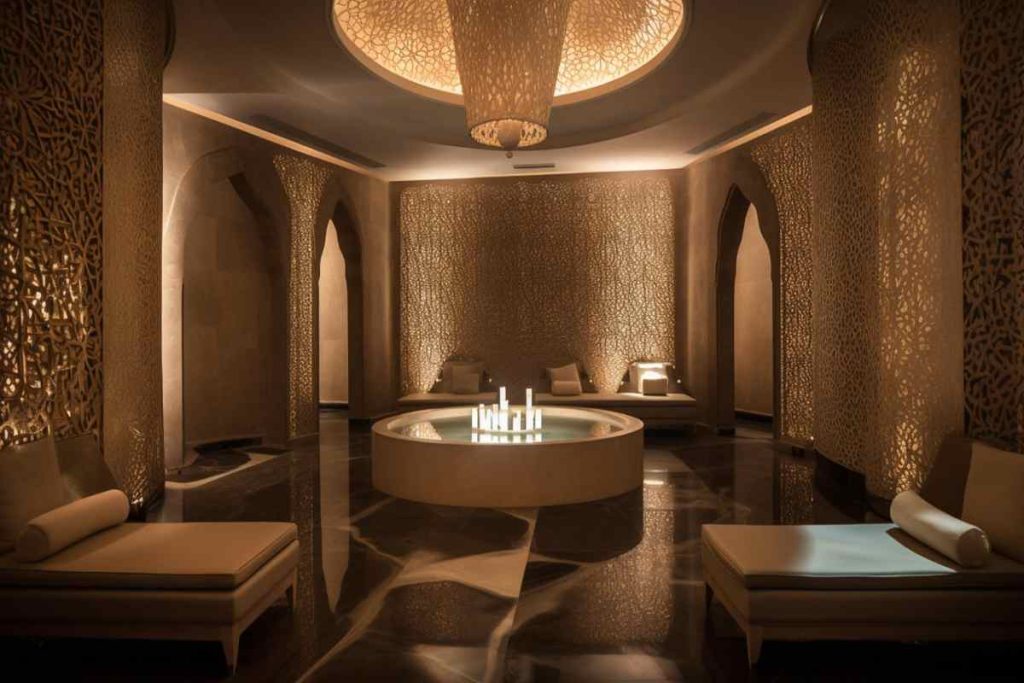
DIY Turkish Hammam at Home invites you to bring a spa-like ritual into your bathroom, where heat and humidity meet mindful self-care and a moment of intentional rest, privacy, and quiet contemplation. It channels the Turkish bath at home tradition, offering the same sense of social warmth, cleansing rituals, slow, contemplative pacing, and the ceremonial rhythm that hammams are known for. With a practical setup, clear safety checks, and the right tools—bench or seating, towels, kese mitts, natural soaps, and a steady, gentle steam source—you can build a hammam steam bath DIY experience in your own space. Think of transforming a bathroom into a home spa steam room where soft lighting, natural textures, warm tones, and scent cues heighten the ritual without overwhelming the senses. The aim is an authentic Turkish spa experience that respects tradition while fitting your life, so you create a calm, cleansing environment you can revisit regularly.
In this guide, the topic is introduced through alternative terms that align with latent semantic indexing, helping readers and search engines connect related ideas. Picture a private hammam-inspired steam ritual you can perform indoors, using a calm sequence that mirrors professional practices while adapting to the realities of home space. Related phrases such as indoor steam room atmosphere, Turkish-style bath ritual at home, and steam-enabled body care form a semantic map that enriches understanding without repeating the same wording. You’ll learn to cultivate a warm, humid ambience, exfoliate with a kese, and apply oils and balms as part of a mindful routine—kept safe by ventilation, hydration, and sensible timings. Framing the topic this way reinforces the broader wellness narrative—home spa culture, comfortable temperature control, and a ritual-driven approach to daily relaxation.
DIY Turkish Hammam at Home: Create Your Personal Turkish Bath Sanctuary
Transform your bathroom into a warm, humid sanctuary where heat and steam cocoon you, inviting slow breathing and a mindful, cleansing ritual. A DIY Turkish Hammam at Home is less about copying a spa and more about recreating the atmosphere: comfortable seating, careful ventilation, and a rhythm you control. With thoughtful lighting, warm tones, and simple tools, you can invite calm, skin-softening steam into your routine.
In this setup, you choose the duration, temperature, and products, guiding the experience at your own pace. Use a kese exfoliating mitt, natural soaps, and a light oil for aftercare. While you may not replicate every detail of a professional hammam, you can honor the tradition by maintaining a clean space, staying hydrated, and moving through steam, cleansing, and rest with mindful breathing.
Designing Your Hammam Steam Bath DIY Space: Ventilation, Heat, and Hydration
Plan the space as a home spa steam room where humidity stays contained. Choose a bathroom with an exhaust or vent-friendly window, and lay non-slip mats to manage moisture. The aim is to craft a comfortable zone that feels hammam-inspired while protecting adjacent rooms from dampness.
Select a reliable steam source: a dedicated steam generator is ideal for frequent sessions, while a high-quality humidifier can suffice for milder needs. In smaller spaces, run steam in short bursts to prevent overheating, and arrange seating, towels, and a cooling area so warmth remains within reach. For a hammam steam bath DIY vibe, pace the humidity like the professionals while keeping safety a priority.
Essential Tools and Products for a Home Spa Steam Room
Assemble a focused set of tools and products: a sturdy bench or seating, thick towels, a kese mitt, natural soaps, olive oil–based cleansers, a water bucket, and optional essential oils. These items anchor the ritual and support the cleansing sequence that defines the hammam experience at home.
Choose materials that tolerate humidity—stone or tile surfaces, non-slip flooring, and water-resistant wall finishes. A thoughtful layout keeps tools within reach and reduces spills, helping you maintain a safe, comfortable Turkish bath at home vibe and sense of ritual.
The Hammam Ritual Sequence: Steam, Exfoliation, Soap, and Oil
Follow a gentle, repeatable sequence: begin with steam to open pores and soften the skin, then exfoliate with a kese mitt, cleanse with soap, and finish with oil to lock in moisture. This rhythm mirrors the classic order found in professional hammams while letting you pace it to your body’s needs and preferences, bringing the essence of the authentic Turkish spa experience into your home.
With steady breathing and mindful pauses, you can deepen relaxation, improve circulation, and ease muscle tension. Regular sessions may enhance skin texture, promote calm, and support better sleep, turning a routine into a restorative ritual that feels like a private retreat.
Safety, Maintenance, and Budget for a Long-Lasting DIY Hammam
Safety comes first: stay hydrated, mind your time, and monitor heat to avoid dizziness or overheating. Those with heart conditions or pregnancy should consult a professional before starting a DIY hammam routine. Even in a Turkish bath at home, hydration and sensible duration are essential.
Maintenance matters too: clean the space after each session, dry benches and floors, and inspect seals and fixtures for wear. If you use essential oils, ensure proper ventilation and avoid over-application. Periodically descale steam equipment if needed, and replace towels and mitts as they wear out to sustain the experience.
Adapting the DIY Hammam to Different Spaces and Budgets
Adapting the hammam concept to small spaces or shared homes means choosing a compact steam generator or a mini humidifier focused on a dedicated zone, coupled with portable seating you can move aside when not in use. This approach preserves the home spa steam room feel without overwhelming the room.
Budget-friendly tweaks keep the ritual accessible: warm lighting, a cohesive color palette, and a simple kese mitt with a few essential oils can capture the hammam vibe without expensive gear. Emphasize the ritual sequence—steam, cleanse, exfoliate, oil, and rest—to preserve the authentic atmosphere while staying practical.
Frequently Asked Questions
What is a DIY Turkish Hammam at Home and how do I start?
A DIY Turkish Hammam at Home is recreating the Turkish bath experience in your own space with steam, cleansing rituals, and relaxation. To start, assess your space, ventilation, and budget; choose a reliable steam source (a home steam generator or a humidifier), a bench or seating, towels, a kese exfoliating mitt, and simple soaps or olive oil. Plan safety with non-slip mats and hydration, and keep sessions modest in duration. Build a calm atmosphere with warm lighting and a clean, ventilated area, then follow a simple routine: steam, cleanse, exfoliate, rinse, and rest.
What equipment is essential for a home spa steam room setup in a DIY Turkish Hammam at Home?
Essential equipment for a DIY Turkish Hammam at Home or home spa steam room includes a reliable steam source, seating (bench or stools), towels and a robe, a kese exfoliating mitt, natural soaps or olive oil-based cleansers, a water container for rinsing, non-slip mats, and soft lighting. Add a ventilation plan (exhaust fan or window), and consider a few heat-safe accessories like copper or ceramic containers for a traditional touch. This focused setup keeps the experience authentic without a big renovation.
How can I maintain humidity and ventilation to preserve an authentic Turkish spa experience in a DIY Turkish Hammam at Home?
To maintain humidity while preserving an authentic Turkish spa experience in a DIY Turkish Hammam at Home, contain the steam in the room and vent excess humidity when possible. Use a dedicated steam cycle with short bursts, ensure proper ventilation, and choose a space that allows doors or windows to vent. Keep seating dry and use towels to manage condensation. If ventilation is limited, shorten sessions and use a fan to guide steam toward an outlet.
What safety tips should I follow during a DIY Turkish Hammam at Home session?
Safety first in a DIY Turkish Hammam at Home: stay hydrated by drinking water before, during, and after your session; start with 8–12 minutes of steam and avoid exceeding 20 minutes per cycle; monitor yourself for dizziness or excessive flushing and exit if needed; use non-slip mats and footwear to prevent slips; supervise children and pets, and if you have heart or pregnancy concerns consult a medical professional before starting a hammam-style routine. In a hammam steam bath DIY setup, keep the humidity moderate and listen to your body.
Can I recreate an authentic Turkish spa experience on a budget with a DIY Turkish Hammam at Home?
Yes—recreating an authentic Turkish spa experience on a budget is possible with a DIY Turkish Hammam at Home. Focus on the ritual sequence (steam, cleanse with kese, exfoliate, oil, rest) rather than expensive gear; use a simple steam source, a wooden bench, soft towels, and a kese mitt. Choose warm lighting, neutral colors, and affordable natural soaps or olive oil-based cleansers; you can achieve the feel with careful space planning and modest equipment.
What is a recommended step-by-step routine for a typical DIY Turkish Hammam at Home session?
Recommended routine for a typical DIY Turkish Hammam at Home session: prepare space and warmth; create steam for several minutes; sit to acclimate; cleanse and exfoliate with kese and soap; rinse, reapply if desired; apply oil or moisturizer; rest and cool down in a towel-wrapped zone; ventilate the room afterward.
| Aspect | Key Points |
|---|---|
| Introduction | Overview: hammam is heat, humidity, and ritual; reachable at home with planning, key tools, and safety. |
| The Turkish Hammam Experience | Warm, humid air, cleansing rituals, and a calm tempo. The goal is atmosphere and rhythm, not exact replication; DIY lets you control pace and products while honoring steam etiquette. |
| Planning: space, safety, and budget | Assess space and budget; prioritize environment over expense; consider ventilation, seating, steam source options, drainage, and water-resistant materials. |
| Essentials for a salon-worthy DIY Hammam | Core tools and products: steam source or humidifier, seating, towels/robe, kese mitt, natural soaps, olive oil-based soaps, water vessel, essential oils, gentle lighting, and a ventilation plan. |
| Safety first: hydration, time, and heat management | Hydration before/during/after; start with 8–12 minutes, break, and never exceed 20 minutes; monitor for dizziness; use non-slip mats; keep children/pets away. |
| Setting up: Step-by-step | 1) Prepare the space. 2) Create steam. 3) Heat and comfort. 4) Cleanse and exfoliate. 5) Rinse and repeat. 6) Oil and hydrate. 7) Cool down and rest. |
| The ritual, benefits, and safe enjoyment | Cleansing, exfoliation, and relaxation; skin health improvements; mental calm; better circulation and muscle relief when combined with steady breath. |
| DIY tips for authenticity on a budget | Use stone or tile where possible; warm color palettes; portable heater for a controlled warm zone; emphasize the ritual sequence over gear; post-session moisturizing and surface care. |
| Maintenance and care | Clean after sessions, dry surfaces, inspect seals and fixtures, descale steam equipment as needed, replace towels and mitts when worn, and ensure ventilation to prevent mold. |
| Adapting to different spaces and budgets | Small bathrooms: focused steam zone and compact seating; shared homes: schedule off-peak; budget tweaks like simple oils and a kese mitt retain the hammam feel. |
| Health considerations and accessibility | For respiratory issues, allergies, or sensitive skin: use milder steam and fragrance-free products; those with hypertension or cardiovascular concerns should limit duration and heat. |
Summary
DIY Turkish Hammam at Home invites you to recreate the warmth, humidity, and mindful ritual of a traditional hammam in your own bathroom. By planning your space, choosing a simple toolset, and observing safety, you can enjoy spa-like sessions that nourish skin, calm the mind, and fit into a busy life. The essence of the hammam lies in atmosphere—a steady steam, soft lighting, and a patient routine of cleansing, exfoliating with a kese mitt, oil application, and quiet rest. You don’t need a professional setup to achieve this; you need intention and a few well-chosen elements: a reliable steam source or humidifier, seating, towels, kese mitt, natural soaps or oils, and a simple drainage plan. With attention to ventilation and hydration, DIY Hammam sessions become a regular, restorative ritual. Adapt the setup to your space and budget, maintain the equipment, and gradually refine durations and steps to suit your body. The result is a personal Turkish hammam-inspired retreat that brings renewal, improved skin health, better relaxation, and a sense of calm that travels beyond the bathroom door.